Babi Guling Exploring Bali Iconic Dish
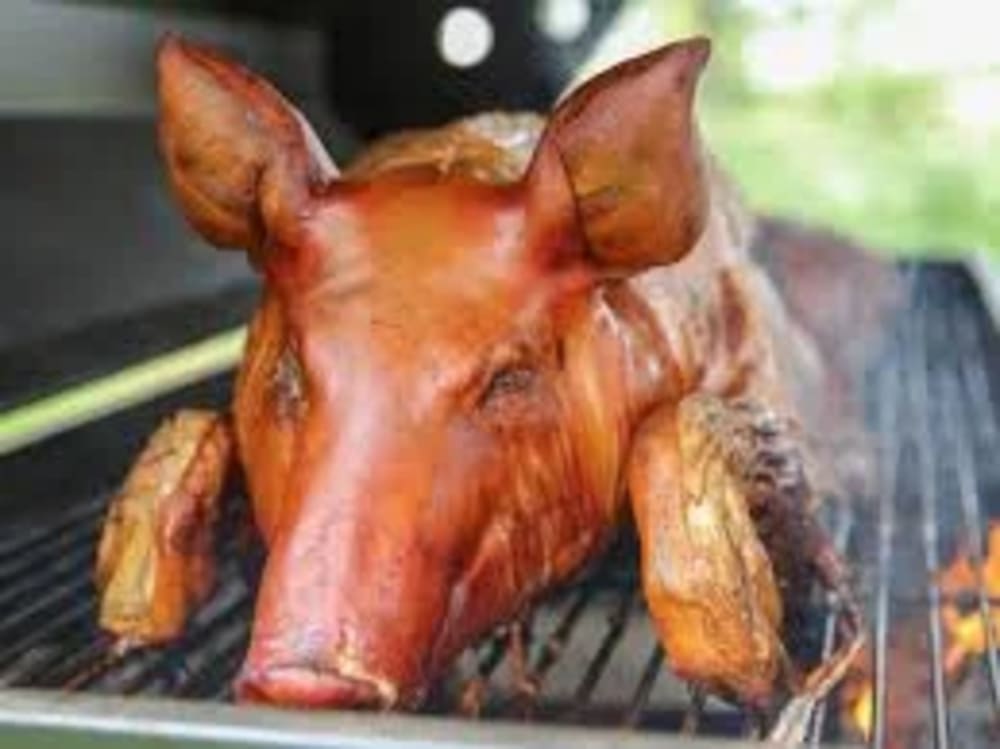
Bali, the island of gods rich in culture and culinary heritage, is renowned for its delicious traditional dishes, among which babi guling holds a special place. This article delves deep into everything about babi guling, from its rich history to intricate
🌴 Quick Summary & Tips
Discover the story behind Bali's legendary babi guling, from its sacred origins in temple ceremonies to the mouth‑watering crispy‑skin roast pork that defines Balinese feasts. Learn how the dish is prepared with aromatic local herbs, where to find the best versions across the island, and why it remains a must‑try culinary experience for every visitor.
History of Babi Guling in Bali
Babi guling, or Balinese roast pig, has deep roots in Balinese culture. Initially served during religious ceremonies and rituals as an offering to the gods, it later gained popularity among the Balinese people as a staple dish and a centerpiece of celebratory feasts.
The Process of Making Babi Guling
The preparation of babi guling involves a meticulous process and specific selection of ingredients. The chosen pig must be of a particular breed and undergoes special rituals before roasting. Traditional spices such as garlic, galangal, turmeric, and other local herbs are used to impart a distinctive and flavorful taste to the pork. The pork used for babi guling typically comes from locally raised pigs in Bali. Specific parts of the pig are chosen to achieve the desired texture and taste after roasting. The herbs and spices used are sourced from Bali's natural surroundings, adding a unique dimension to this dish.

Cultural Significance of Babi Guling
Babi guling transcends being just a food item in Bali; it is a significant part of the island's cultural and ceremonial traditions. Its presence at major events such as weddings, traditional ceremonies, and festivals often signifies prosperity and success. Involvement in the preparation and serving of babi guling also binds communities together through shared values of togetherness and familial ties. Beyond its preparation, the experience of eating babi guling is unforgettable. Tender meat with crispy skin, served with steamed rice, fresh vegetables, and spicy sambal, creates a tantalizing flavor profile. This culinary experience not only satisfies the palate but also provides deep insights into Bali's culinary richness.
Conclusion
Babi guling is more than just a dish in Bali; it represents the island's cultural wealth and traditions. From its extensive history to intricate cooking techniques, babi guling continues to captivate and delight food enthusiasts worldwide. By understanding more about babi guling, we gain deeper insights into the lives and culture of the Balinese people.
