Best Things to Do in Ubud: Complete Visitor Guide
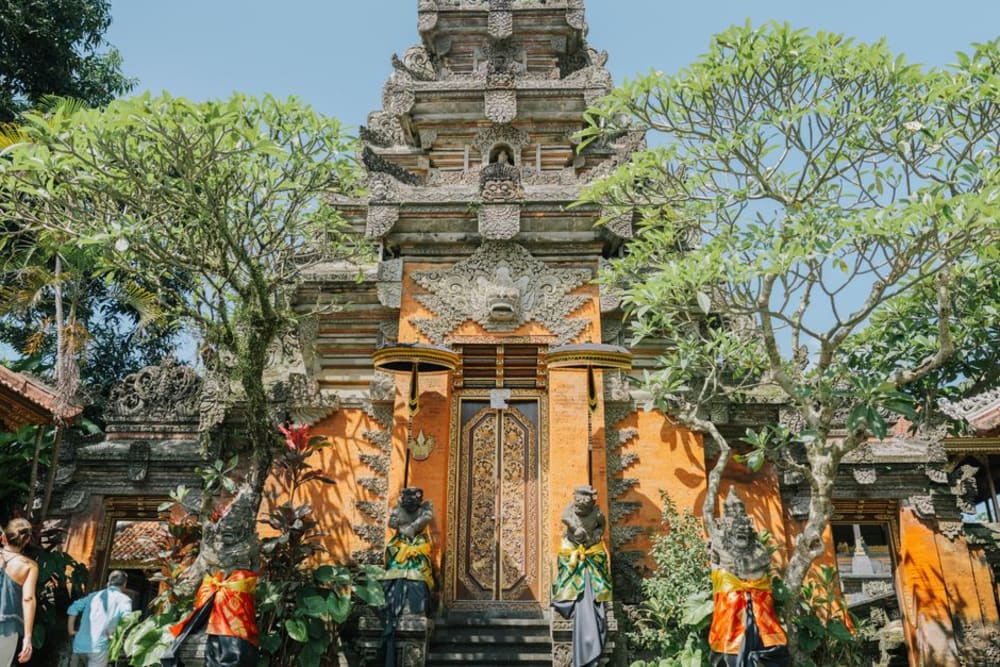
Ubud is often called the cultural heart of Bali, and for good reason. Tucked into the island's lush central highlands, this town draws travelers who want more than just beaches—think ancient temples, terraced rice fields, vibrant art galleries, and a slower, more contemplative pace of life. But with so many things to see and do, it can be surprisingly difficult to decide what to prioritize, especially if you only have a couple of days. This guide breaks down the best things to do in Ubud by interest and effort level, so you can build an experience that actually matches how you like to travel.
🌴 Quick Summary & Tips
Ubud offers a rich mix of cultural experiences, natural beauty, and local art that make it one of Bali's most rewarding destinations. This guide covers the top attractions—from the Sacred Monkey Forest to Tegalalang rice terraces—along with practical tips to help you plan a visit that fits your interests and schedule.
Explore the Sacred Monkey Forest Sanctuary
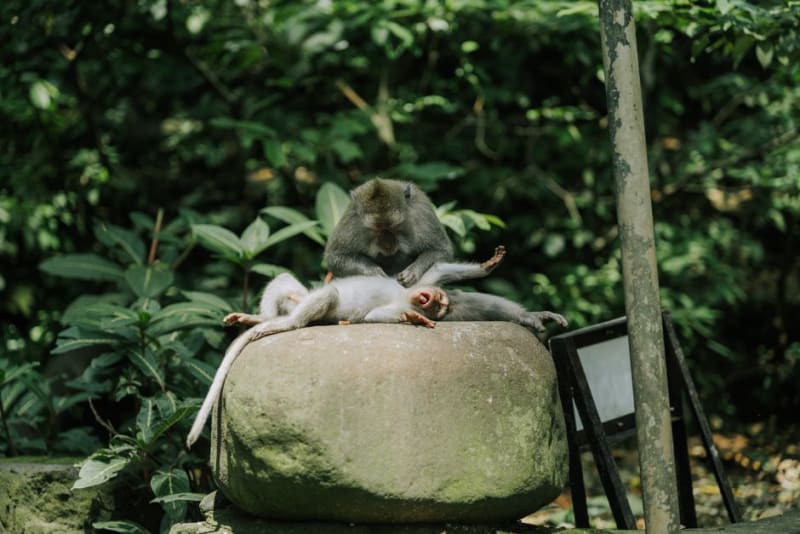
One of Ubud's most well-known attractions, the Sacred Monkey Forest Sanctuary is a forested area home to hundreds of long-tailed macaques. Beyond the monkeys, the site features ancient temple ruins, stone carvings, and a dense canopy of banyan and nutmeg trees that create a surprisingly peaceful atmosphere. Visitors walk along paved paths through the forest, passing sacred sites that reflect the Balinese belief in the harmony between humans, animals, and nature. A few things to keep in mind: don't bring food or shiny objects that might attract the monkeys, and avoid direct eye contact or sudden movements around them. Most people spend about one to two hours here, and it's located right in the center of Ubud, making it easy to combine with a visit to the market or palace afterward. For a deeper look at what to expect inside and how to make the most of your visit, see our detailed Sacred Monkey Forest guide.
Walk Through the Tegalalang Rice Terraces
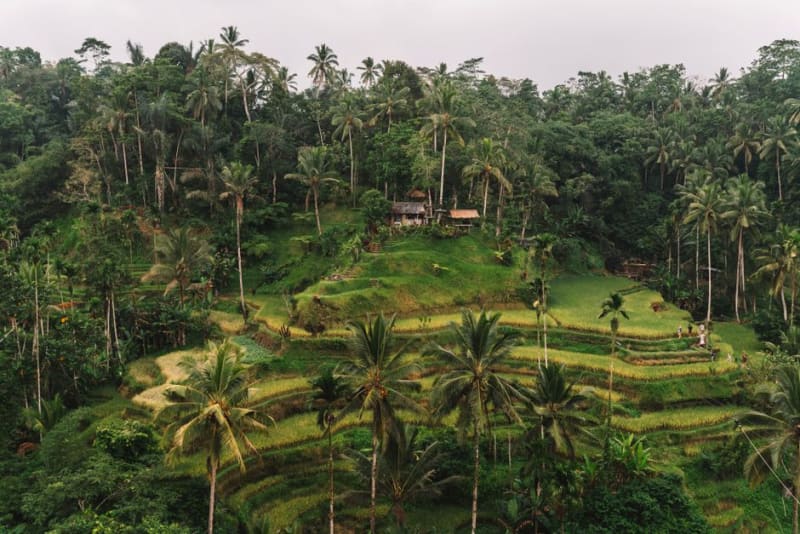
Just a short drive north of Ubud town, the Tegalalang Rice Terraces are one of the most photographed landscapes in Bali. These cascading green terraces are carved into steep hillsides and fed by a traditional Balinese irrigation system known as subak, which has been recognized for its cultural significance. Walking along the paths through the terraces gives you a close-up look at how rice is cultivated, and there are several small cafes built along the hillside where you can sit and enjoy the view with a drink or a meal. The best light for photography is early in the morning, and arriving before the tour buses makes the experience far more enjoyable. Wear shoes with good grip—some of the paths are steep and can be slippery after rain. If you want to learn more about what makes this place special and how to visit it well, our Tegalalang rice terraces guide covers everything you need to know.
Discover Ubud's Art Scene and Traditional Market
Ubud has been a center for Balinese art and craftsmanship for generations, and the town still reflects that creative energy today. The Ubud Art Market, located right across from the royal palace, is a good starting point—here you'll find handmade goods like woven bags, wooden carvings, paintings, and batik fabrics. Bargaining is common, and it helps to compare prices across stalls before committing. Beyond the market, Ubud is home to numerous art galleries and craft villages where traditional Balinese painting, woodcarving, and silverwork are still practiced and sold. The Puri Saren Agung (Ubud Palace) is also worth a walk-through, and traditional dance performances are sometimes held in its courtyard during the evening. If you want to experience the Ubud Market alongside other major attractions like Tegalalang and Kintamani in a single well-organized day, a combined day tour is one of the most efficient ways to cover a lot of ground without overthinking the logistics.
Visit Temples and Sacred Sites
Ubud and its surrounding areas are rich in temples and sacred sites that offer a deeper look at Balinese Hindu culture. Goa Gajah (Elephant Cave), just outside central Ubud, is an ancient archaeological site with a carved cave entrance, bathing pools, and stone relics. Tirta Empul, a bit further east near Tampaksiring, is a water temple where visitors can observe—or participate in—a traditional purification ritual in the temple's spring-fed pools. The Gunung Kawi monument, set in a river valley, features impressive rock-cut shrines reached by a scenic descent through rice fields. These sites can be visited in a half-day trip from Ubud, but the order you visit them matters because of driving distances and peak crowd times. Planning your route in advance helps you avoid spending half your day in the car. Our complete Ubud itinerary guide offers suggested day plans that factor in realistic travel time between these sites.
Chase Waterfalls and Enjoy the Natural Landscape
The hills and river valleys surrounding Ubud are home to some of Bali's most beautiful waterfalls. Tukad Cepung, known for its dramatic cave setting where sunlight filters through the rock, has become increasingly popular but is still worth the trip if you arrive early enough to enjoy it quietly. Tibumana Waterfall offers a more relaxed setting with a gentle pool that's suitable for swimming, while Kanto Lampo is known for its wide, tiered rock wall over which water flows in thin curtains. Most of these waterfalls require a short walk down stairs or forest trails to reach, so they are accessible but do involve some physical effort. They're scattered in different directions from Ubud—some to the east near Bangli, others to the north—so combining them in one day requires thoughtful route planning. Visiting two waterfalls in a half-day is realistic; trying to fit in four usually turns into a long, tiring drive rather than an enjoyable experience.
Practical Tips for Visiting Ubud
Getting to and around Ubud is straightforward but benefits from some planning. Ubud is typically about one and a half to two hours from the southern Bali areas like Kuta, Seminyak, or the airport, depending on traffic conditions. Once in Ubud, the central area is very walkable, but attractions like Tegalalang, Goa Gajah, and the waterfalls are spread out and best reached by scooter, private driver, or organized tour. In terms of timing, Ubud is a year-round destination, but the drier months generally offer more comfortable weather for outdoor activities like hiking and rice terrace walks. Mornings are usually the coolest and least crowded time to visit major attractions, so try to front-load your busiest sightseeing in the first half of the day. If you'd rather not piece everything together yourself, a custom Bali itinerary can be tailored to your interests, travel pace, and the specific experiences you want to prioritize—so every day feels intentional rather than rushed.
Conclusion
Ubud offers a remarkable mix of culture, nature, and art that's hard to find elsewhere in Southeast Asia. Whether you spend your time walking through rice terraces, exploring ancient temples, browsing the art market, or simply enjoying a slow afternoon at a hillside cafe, the town has something that fits nearly every kind of traveler. The key is to prioritize what interests you most and leave enough time to experience each place without rushing. If you're planning a trip to Bali and want help building an itinerary that covers Ubud and beyond, visit baliholiday.xyz to explore our curated tour packages or request a custom itinerary designed around your interests and schedule.