Ubud Itinerary: Complete Guide to Planning 2-3 Perfect Days
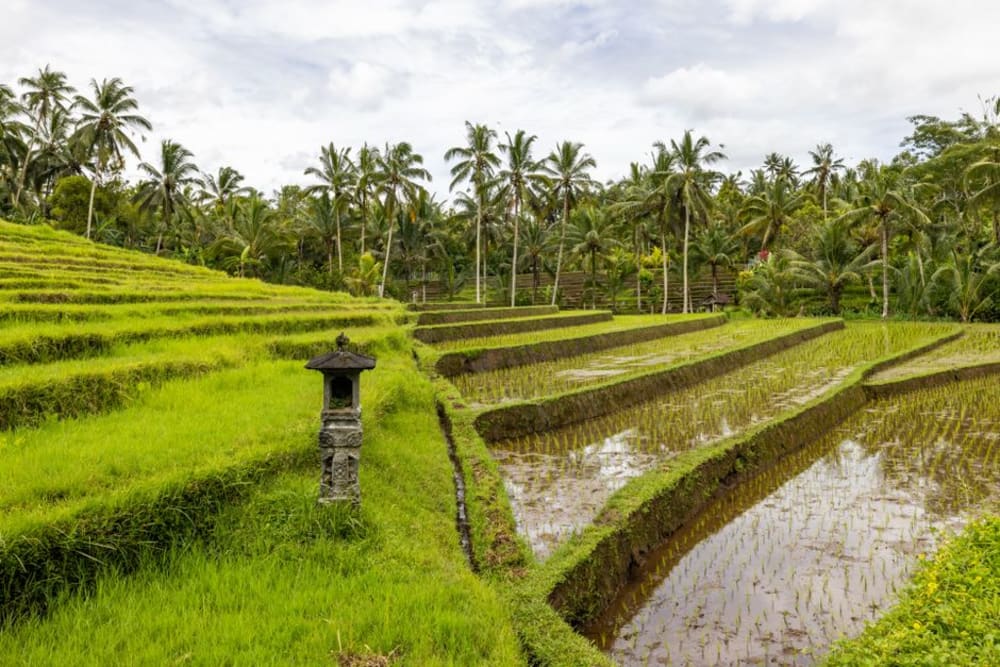
Ubud is often called the cultural heart of Bali, and for good reason. Between its lush rice terraces, ancient temples, art galleries, and sacred monkey forest, there is far more to experience than most visitors expect. Whether you are spending two days or three, planning your Ubud itinerary in advance makes a real difference — it helps you group nearby attractions together, avoid unnecessary back-and-forth travel, and leave room for the spontaneous moments that make a Bali trip memorable. This guide lays out a realistic, day-by-day Ubud itinerary that covers the must-see highlights while keeping the pace comfortable and enjoyable.
🌴 Quick Summary & Tips
A well-planned Ubud itinerary of 2-3 days covers cultural landmarks like Monkey Forest and Ubud Market on day one, Tegalalang Rice Terraces and nature spots on day two, and optional hidden gems on day three. The key tip is to group nearby attractions together and start early to beat the crowds and midday heat.
Why 2 to 3 Days Is the Ideal Time in Ubud
Ubud sits in the central highlands of Bali, surrounded by river valleys and terraced farmland. Unlike the beach towns of southern Bali, its appeal is cultural and natural rather than coastal. Many travelers make the mistake of treating Ubud as a quick day trip from Kuta or Seminyak, which leaves barely enough time to see one or two attractions. Two full days let you cover the core highlights — the Monkey Forest, Ubud Palace, the local market, and Tegalalang Rice Terraces — without rushing. A third day opens up options like a visit to Kintamani volcano views, a Balinese cooking class, a spa afternoon, or exploring lesser-known waterfalls and villages beyond the town center. If you are still deciding how many days to allocate across Bali, working with a trip planning service like a custom Bali itinerary can help you balance Ubud with your other destinations more efficiently.
Day 1: Cultural Highlights and the Heart of Ubud Town
Start your first day at the Sacred Monkey Forest Sanctuary, one of Ubud's most visited attractions. Arriving early, ideally right when it opens, gives you a quieter experience and better photo opportunities before the crowds build up. The forest is home to long-tailed macaques and several ancient temple structures set among giant banyan trees — it takes about an hour to walk through. From the Monkey Forest, Ubud Palace and the surrounding streets are just a short walk away. Ubud Palace (Puri Saren) is the former seat of the local royal family and often hosts traditional dance performances in the evenings. Adjacent to the palace, Ubud Traditional Art Market is a good place to browse local crafts, paintings, textiles, and souvenirs — just remember that bargaining is expected and part of the experience. Spend the afternoon exploring the galleries and cafes along Jalan Raya Ubud and Jalan Hanoman, both of which are walkable from the palace area. If the Sacred Monkey Forest is high on your list, you can find more details about what to expect inside the sanctuary and how to prepare for the visit before you go.
Day 2: Tegalalang Rice Terraces and the Scenic North
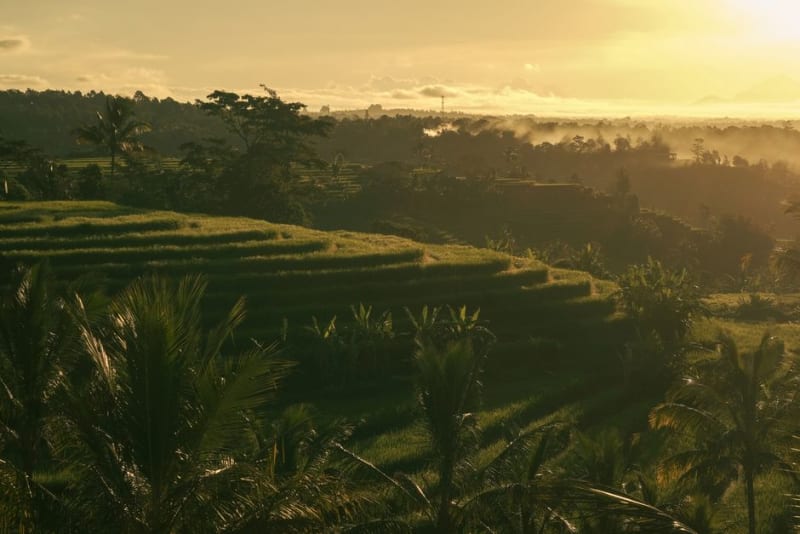
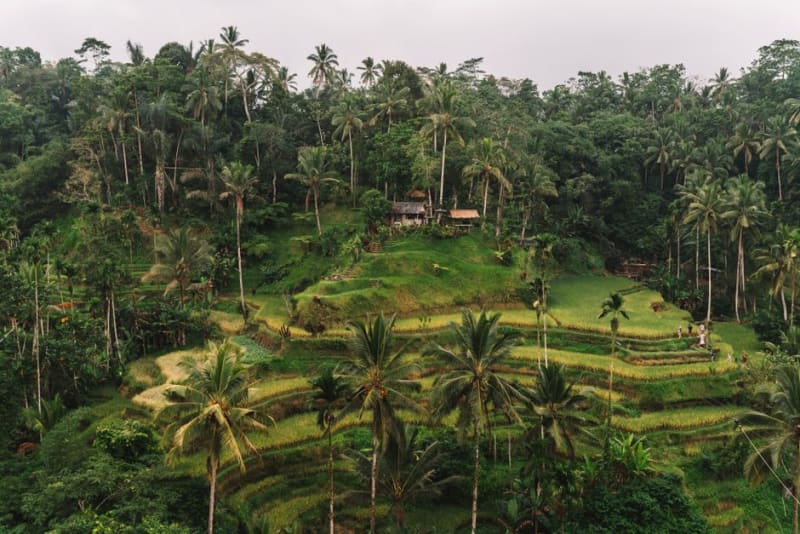
On day two, head north toward Tegalalang Rice Terraces, one of Bali's most photographed landscapes. These cascading terraces are carved into the hillside and have been farmed using the traditional Balinese subak irrigation system for generations. Early morning is by far the best time to visit — the air is cooler, the light is softer, and you avoid the large tour groups that typically arrive after 10 AM. Walking paths wind through the terraces, and there are several viewpoints and small cafes where you can take a break. After Tegalalang, it makes logistical sense to continue further north to Kintamani for panoramic views of Mount Batur and its crater lake. Since both locations sit along the same general route, combining them in one day saves significant travel time. Many visitors also add a stop at a local coffee plantation in the area along the way. If you want a deeper understanding of Tegalalang and what makes it culturally significant beyond just the scenery, there is more to learn about how this landscape connects to Balinese farming traditions.
Day 3 (Optional): Relaxation, Hidden Gems, and Local Experiences
If you have a third day in Ubud, use it to slow down and experience a different side of the area. A popular option is visiting one of the lesser-known waterfalls in the region — Tegenungan Waterfall, Tibumana Waterfall, and Kanto Lampo Waterfall are all within reasonable driving distance from Ubud and tend to be less crowded in the early morning. Alternatively, you could spend the day at a Balinese spa, join a yoga class at one of Ubud's many studios, or take a traditional Balinese cooking class that usually starts with a visit to a local market. For those who want a more structured exploration without planning every stop, a combined tour package that covers Monkey Forest, Ubud Market, Tegalalang, and Kintamani in one well-organized day can be a practical option — especially if you have limited time and want to make sure you hit all the major highlights efficiently.
How to Get Around Ubud Efficiently
Transportation planning is one of the most important parts of any Ubud itinerary. Central Ubud is quite walkable — Monkey Forest, Ubud Palace, the market, and many restaurants are within a 15 to 20-minute walk of each other. However, once you want to visit attractions outside the town center like Tegalalang, Kintamani, or the waterfalls, you will need a vehicle. Hiring a private car with a driver is the most comfortable and reliable option for most visitors, especially families or groups. It gives you flexibility on timing, a local driver who knows the roads and shortcuts, and air-conditioned comfort between stops. Scooter rental is a budget-friendly alternative for experienced riders, but Bali's roads can be busy and unpredictable, particularly around Ubud where traffic congestion builds up in the late afternoon. Ride-hailing apps like Gojek and Grab also operate in the area, though availability can fluctuate depending on your exact location and time of day. For travelers who want a hassle-free experience across their whole Bali trip, booking a Bali private tour with a dedicated driver allows you to focus on enjoying the sights rather than navigating logistics.
Best Time to Visit and Tips to Avoid the Crowds
Ubud is a year-round destination, but timing your visit within the day matters more than the month. The dry season, roughly from April to October, generally offers more consistent weather and clearer skies for outdoor activities like the rice terraces and waterfall visits. Within any given day, the early morning hours — between 7 AM and 9 AM — are the quietest at Ubud's most popular spots. Attractions like Monkey Forest and Tegalalang begin filling up as tour groups from the south arrive mid-morning, and afternoons in Ubud's town center become quite congested with both cars and pedestrians. If you are visiting during peak holiday periods such as July, August, or the weeks around Christmas and New Year, expect everything to be busier and plan your schedule with extra buffer time. Weekdays tend to be slightly less crowded than weekends at the major sites. One more practical note: Ubud sits at a higher elevation than the southern beach areas, so mornings and evenings can feel noticeably cooler — a light layer is useful if you are out early or dining outdoors at night.
Conclusion
Planning the perfect Ubud itinerary comes down to understanding the area's geography, pacing your days realistically, and grouping nearby attractions together so you spend more time enjoying Bali and less time in traffic. With two to three days and a thoughtful plan, you can experience the cultural highlights, natural beauty, and relaxed atmosphere that make Ubud one of the most rewarding destinations in Bali. If you would rather leave the planning to someone who knows the area well, Baliholiday offers personalized itinerary services and private tour packages that can be tailored to your schedule and interests — so you get the best of Ubud without the stress of figuring it all out on your own.