Mount Batur Day Hike Guide 2026: Alternative Route, Local Villages, Coffee & Sunset Without 2 AM Wake-Up

The famous Mount Batur sunrise trek has become so popular that hikers now jostle for crater rim space in the dark, sometimes facing queues at the summit before dawn. However, few travelers realize that Mount Batur offers an equally spectacular alternative: the day hike starting in late morning or early afternoon. This route allows you to sleep in, avoid the pre-dawn crowds, support local afternoon economies, and witness a stunning sunset from the summit instead of sunrise. The trail remains the same volcanic path, but the experience transforms into a peaceful, uncrowded journey through working coffee plantations and traditional villages.
Why Choose the Day Hike Over the Sunrise Trek?
The primary advantage is quality of sleep and physical readiness. Waking at 2:00 AM for a sunrise trek often leaves hikers fatigued before the hike even begins, increasing altitude sickness risk and reducing enjoyment. The day hike starts between 8:00 AM and 2:00 PM depending on your preferred pace, allowing proper breakfast and full alertness. Afternoon temperatures at the trailhead are typically warmer, reducing the initial cold shock, though summit temperatures remain similar year-round. Most importantly, you will likely share the summit with only a handful of other hikers rather than hundreds, allowing peaceful photography and meditation time.
The Route: Starting Points and Trail Details
While sunrise treks typically depart from Toya Bungkah village, day hikers have flexibility. You can start from the traditional Pura Jati temple entrance or arrange village access through local homestays in Songan or Trunyan villages on the caldera rim. The ascent typically takes 2 to 3 hours depending on fitness level, covering approximately 5 kilometers with 700 meters elevation gain. The trail consists of volcanic scree, compacted lava rock, and forested sections near the base. Because you are hiking during daylight, navigation markers and trail junctions are clearly visible, reducing the risk of taking wrong turns that sometimes occur in pre-dawn darkness. Local guides remain recommended for safety and cultural interpretation, particularly for afternoon hikes when fewer other hikers are present for group safety.
Coffee Plantations and Village Encounters Along the Way
One unique advantage of the day hike is the opportunity to interact with working Kintamani coffee plantations during operating hours. Several family-run plantations near the trailhead welcome hikers for brief tours between 9:00 AM and 4:00 PM. You can observe traditional roasting methods, learn about the famous Kintamani Arabica beans grown in volcanic soil, and sample coffee without the animal cruelty concerns sometimes associated with civet coffee tourism. These visits support local farmers directly and provide cultural context about how communities have lived on Mount Batur's slopes for generations. Unlike sunrise treks where villages remain dark and silent, afternoon hikes allow you to greet farmers working terraced vegetable gardens and perhaps receive spontaneous invitations for temple ceremony viewing if your timing coincides with local Odalan festivals.
Reaching the Summit for Sunset
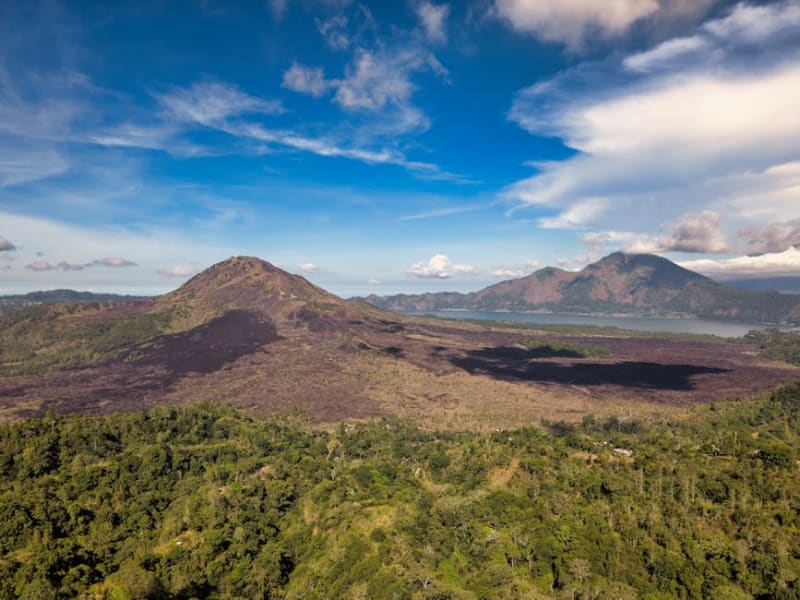
Timing is crucial for the sunset experience. Depart between 2:00 PM and 3:00 PM to reach the 1,717-meter summit approximately one hour before sunset, which typically occurs between 6:00 PM and 6:30 PM depending on the season. This timing allows you to explore the active crater rim, observe steam vents, and photograph the caldera lake and distant Mount Agung and Mount Rinjani profiles while light remains. As the sun descends, the sky often displays deeper orange and purple hues than sunrise, with less atmospheric haze. The temperature drops rapidly after sunset, so insulated layers become essential. You must carry a headlamp or flashlight with fresh batteries for the descent, as the trail becomes completely dark within 20 minutes of sunset. Descending in darkness requires caution on loose scree sections, so trekking poles are highly recommended for stability.

Safety Considerations and Local Guidelines
While Mount Batur is considered a beginner-friendly volcano, afternoon hiking presents specific safety considerations. Weather patterns in Kintamani often produce afternoon clouds and occasional rain showers between 3:00 PM and 5:00 PM, which can reduce visibility and create slippery trail conditions. Check local weather forecasts before departing and consider waterproof jacket mandatory regardless of morning conditions. Volcanic gases occasionally accumulate in crater areas; if you smell strong sulfur or experience eye irritation, move to higher ground immediately. Respect local spiritual protocols: Mount Batur is sacred to Hindus, and certain crater areas near active vents are considered off-limits during religious ceremonies. Your local guide will advise on appropriate behavior, which typically includes not pointing feet toward the crater, not climbing certain sacred peaks within the main cone, and dressing modestly even for athletic activity. Solo hiking is strongly discouraged for afternoon treks due to reduced foot traffic; if injured, help may not arrive until the following morning.
Essential Packing List for the Day Hike
Proper preparation ensures comfort and safety for the afternoon ascent. Essential items include: layered clothing system (moisture-wicking base layer, insulating fleece or down jacket, waterproof shell), sturdy hiking boots with ankle support (trail running shoes acceptable for experienced hikers but risky for beginners), minimum 2 liters of water plus electrolyte supplements, high-energy snacks (nuts, dried fruit, chocolate), sun protection (SPF 50+ sunscreen, wide-brimmed hat, UV-protection sunglasses), headlamp with spare batteries (mandatory for descent), lightweight trekking poles (highly recommended for knee protection on descent), basic first aid kit (blister pads, antiseptic wipes, personal medications), and cash in small denominations (50,000 to 100,000 IDR notes) for purchasing coffee or tipping local guides. Avoid bringing unnecessary valuables, as the volcanic environment can damage electronics and the risk of dropping items into the crater exists. A lightweight daypack with rain cover is preferable to heavy backpacks that cause fatigue on steep sections.
Conclusion
The Mount Batur day hike offers a refreshing alternative to the overcrowded sunrise trek, allowing you to experience Bali's most active volcano with proper rest, cultural engagement, and peaceful summit moments. By choosing the afternoon departure, you support local coffee farmers, avoid sleep deprivation, and witness spectacular sunset views that rival any dawn experience. Whether you are a solo traveler seeking tranquility or a family wanting a safer hiking schedule, this route provides unforgettable memories without the 2 AM alarm clock. For a seamless and safe Mount Batur day hike experience with knowledgeable local guides who prioritize your safety and cultural education, book your private tour with baliholiday.xyz today. Our experienced team handles all logistics, provides proper safety equipment, and ensures you enjoy Mount Batur the way it should be experienced—peacefully, respectfully, and memorably.