Complete Guide to Traditional Bali Wellness & Spa 2026: Authentic Spa Experience from Boreh to Lulur Every Tourist Must Try
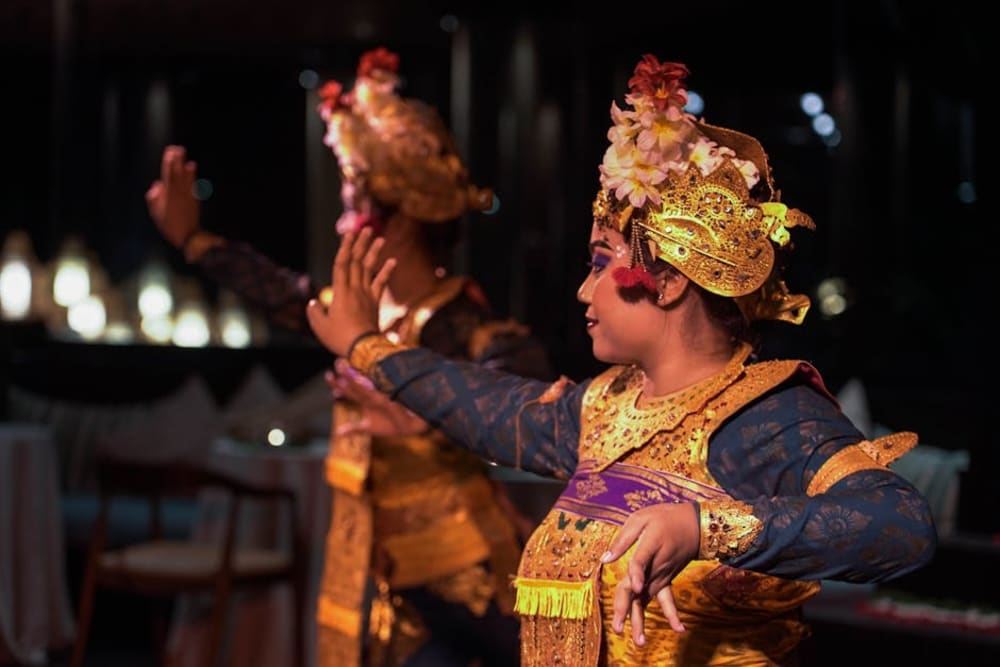
Bali is globally renowned for its spa and wellness offerings, but many tourists are often confused between luxurious resort spas and authentic, centuries-old Balinese healing traditions. The island's true wellness heritage lies in its traditional treatments, passed down through generations. This comprehensive guide for 2026 aims to bridge that gap, taking you beyond the modern spa menu to explore the authentic world of Balinese wellness. We will delve into the meaning and benefits of traditional therapies like Boreh and Lulur, the healing power of Jamu, and how to find genuine, affordable treatments from trusted local practitioners for a deeply cultural and restorative experience.
Understanding the Roots: Balinese Traditional Wellness Philosophy
Balinese traditional wellness is not merely a beauty treatment; it is a holistic practice deeply intertwined with Hindu philosophy and the local concept of 'Tri Hita Karana'—harmony with God, other people, and the environment. Treatments aim to restore physical, mental, and spiritual balance. They utilize natural ingredients sourced from the island's rich biodiversity: spices like turmeric and ginger, native flowers like frangipani and jasmine, clays, volcanic stones, and coconut oil. This philosophy views wellness as a ritual, often starting with a prayer or offering, making the experience uniquely spiritual and grounding.
Signature Treatments: Boreh, Lulur, and More
Two of the most iconic traditional treatments are Boreh and Lulur. Boreh is a warming herbal body mask made from a paste of spices (like ginger, cinnamon, and clove), rice, and sometimes alcohol. Applied to the body, it stimulates circulation, relieves muscle aches, and warms the body, traditionally used by farmers after working in the fields. Lulur, originating from Javanese royalty but deeply adopted in Bali, is a cooling scrub and moisturizing treatment. It typically uses a paste of turmeric, rice flour, sandalwood, and fragrant flowers like ylang-ylang to exfoliate, brighten, and soften the skin, leaving a signature floral scent.
The Healing Power of Jamu: Bali's Herbal Elixir
No traditional wellness experience is complete without Jamu. These are herbal drinks or tonics crafted from roots, bark, spices, and flowers, each with specific health properties. Common types include Jamu Kunyit Asam (turmeric and tamarind for detox and immunity), Beras Kencur (rice and aromatic ginger for stamina), and Jamu Galian Singset (a mix for slimming). You can find Jamu sold by street vendors (penjual jamu) from their distinctive bottles or offered at local spas. Consuming Jamu is a daily health ritual for many Balinese and a must-try for tourists seeking authentic internal wellness.
Finding Authentic & Affordable Traditional Spas
Authentic traditional treatments are widely available outside of high-end resorts at very affordable prices. Look for local spas in areas like Ubud, Sanur, or smaller villages. Signs of authenticity include: a focus on traditional treatment names (Boreh, Lulur, Jamu), use of fresh, mixed ingredients in front of you, and a simple, clean setting. Many family-run businesses, often called 'Salon & Spa' or 'Traditional Therapy,' offer exceptional value. Prices for a traditional Boreh or Lulur treatment can range significantly but are generally a fraction of the cost at luxury hotels, often starting from approximately IDR 150,000 for a basic treatment.

How to Identify a Trusted Traditional Practitioner
To find a trusted practitioner, seek local recommendations from your villa staff, taxi driver, or long-term expats. Observe the spa's hygiene standards and the practitioners' knowledge. A good practitioner will often ask about your current condition or allergies before treatment. You can also visit established but still traditional venues like 'Ubud Traditional Spa' or seek out workshops and wellness centers that employ local Balinese therapists trained in family traditions. Checking reviews on travel platforms for mentions of 'authentic,' 'traditional,' and 'local experience' can also be very helpful.
Integrating Tradition into Your Wellness Itinerary
Plan your traditional wellness experience as a cultural immersion. Consider starting with a Jamu tasting, then booking a half-day session combining a Boreh (for its warming, therapeutic effect) followed by a Lulur (for cooling and skin softening). For a deeper dive, look for packages that include a Balinese massage (which uses long, firm strokes and acupressure) with a herbal compress. Remember to communicate your preferences regarding pressure and any skin sensitivities. Schedule your treatment not right after a long flight or sun exposure, and allow time to relax afterward to fully absorb the benefits.
Conclusion
Exploring Bali's traditional wellness practices offers a profound connection to the island's culture, far beyond standard spa luxury. It's an affordable, authentic journey into rituals designed for holistic balance and healing. By seeking out treatments like Boreh and Lulur, sipping Jamu, and finding trusted local practitioners, you don't just pamper your body—you honor a living heritage. For more detailed guides on authentic Balinese experiences, from hidden temples to local culinary gems, continue your exploration with us at Baliholiday.xyz. Let us help you plan a trip that touches your soul.