Complete Guide to Making Canang Sari in Bali 2026: How to Make, Meaning, Authentic Workshops & Where to Learn in Traditional Villages
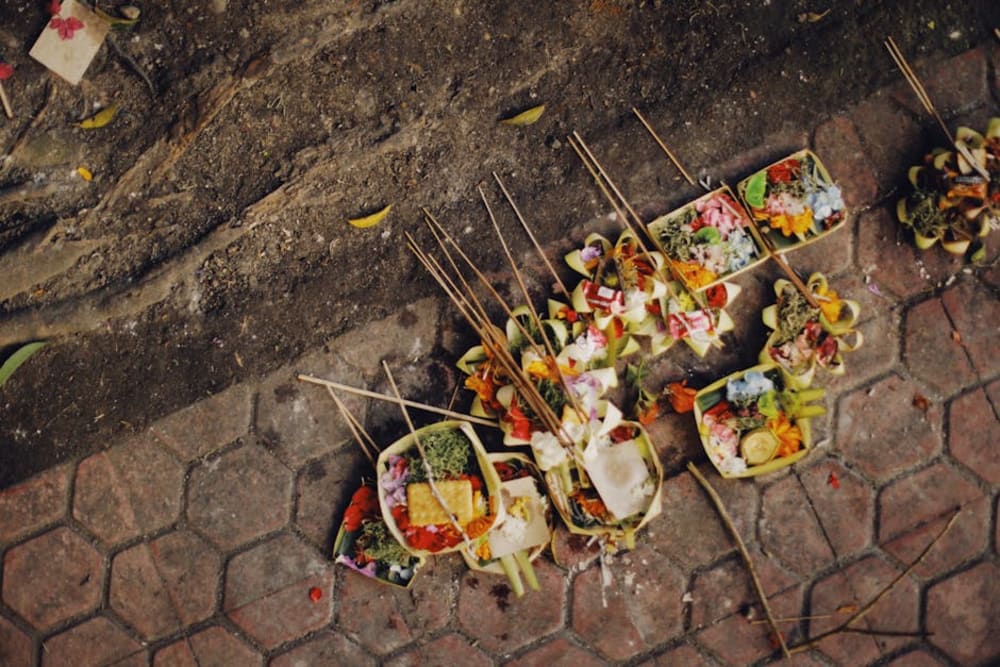
If you are visiting Bali, you have likely seen small woven palm leaf baskets filled with colorful flowers placed everywhere—on temple shrines, at doorsteps, on statues, and even on the roadside. This is the canang sari, the daily offering that represents the gratitude of Balinese Hindus to Ida Sang Hyang Widhi Wasa (the Almighty). In 2026, the desire for immersive cultural experiences is stronger than ever, and learning to make a canang sari is one of the most authentic ways to connect with Bali's soul. This guide provides honest, practical information on the meaning, materials, step-by-step creation, and where you can learn from local families in traditional villages without falling into tourist traps.
The Meaning Behind Canang Sari: More Than Just a Pretty Offering
Canang sari is not merely a decorative item. It is a profound symbol of thankfulness, balance, and devotion. The word 'canang' comes from the root 'canang' meaning 'to offer,' while 'sari' means 'essence.' Each component has a deep spiritual significance. The square or rectangular base represents the universe, the bamboo stick symbolizes the mountain, and the colored flowers represent the gods (white for Iswara, red for Brahma, yellow for Mahadeva, blue for Vishnu, and green for Rudra or Shiva). The inclusion of lime, betel nut, gambier, and tobacco coins (sirih, pinang, gambir, kapur) represents the material world and human desires being offered to the divine. Understanding this meaning turns a simple act of weaving into a meditation of gratitude.
What You Need: Traditional Materials for a Canang Sari
To make a genuine canang sari, you will need natural materials that are readily available in Bali. The main ingredient is janur (young coconut leaves) for the base and lid. You will also need bamboo sticks (lidi) to pin the offering together. For the flowers, look for fresh frangipani (kamboja), marigolds (gemitir), rose petals, and pandan leaves for fragrance. Small amounts of betel leaf (sirih), areca nut (pinang), gambier extract, and slaked lime (kapur) are placed inside as symbolic offerings. Some canang also include a small coin or woven bamboo decoration. In workshops, all materials are usually provided, and you will learn how to prepare the janur strips correctly. Respect the freshness of the ingredients—wilted flowers are considered less respectful.

Step-by-Step: How to Make a Simple Canang Sari Like a Local
Start by cutting the young coconut leaf into strips about 30 cm long. Fold each strip into a square basket shape (ceper) by folding the ends over each other, forming a container. Secure the corners with a small bamboo pin. Then, take a second strip and create a lid (tutup) in the same way but slightly larger. Assemble the base and lid together with a bamboo stick through the center. Next, arrange the flowers: place white flowers in the east (representing Iswara), red in the south (Brahma), yellow in the west (Mahadeva), blue or green in the north (Vishnu), and finally a mix in the center for Rudra/Shiva. Add the betel nut, lime, gambier, and a coin in the middle. Top with a bamboo skewer (tusuk) to hold everything. Finally, place a pinch of incense on top. The key is to do it with a calm mind and a sincere heart—the perfection of the weave matters less than the intention behind it.
Etiquette & Participation: How to Join a Canang Making Workshop Respectfully
Balinese culture places great importance on respect, especially regarding sacred offerings. When joining a workshop, always dress modestly: wear a sarong and sash (selendang) covering your waist. Many temples or local hosts provide sarongs if you do not have one. Avoid using your left hand to handle the offering materials, as the left hand is considered impure. Listen carefully to the instructions; most workshops are led by local women (ibu-ibu) who have been making canang since childhood. Do not step over the offerings or point your feet toward them. It is also customary to offer a small donation (often around IDR 100,000–200,000 per person) to the host family, but prices vary. Always ask beforehand if the workshop includes a blessing ceremony or if you can place your finished canang at a temple—this is a special honor.

Where to Learn: Authentic Canang Workshops in Traditional Balinese Villages
For a truly genuine experience, skip the large commercial centers and head to traditional villages where daily life revolves around offerings. In the Ubud area, villages like Pengosekan, Peliatan, and Mas have family-run workshops that include a visit to a local compound and a short temple tour. In Sidemen (east Bali), the farming communities offer a peaceful setting to learn weaving from grandmothers. Similarly, in the Tegalalang rice terrace region, some farmers' families offer half-day cultural packages combining canang making and rice planting. It is recommended to book through reputable local platforms or ask your homestay host for direct recommendations. Avoid any workshop that promises a 'certificate' or charges excessively high prices (over IDR 500,000 per person) without clear explanations—authentic experiences are usually simple and affordable.
Tips for a Memorable Canang Sari Experience in 2026
To get the most out of your canang making journey: (1) Choose a morning session—offerings are made at sunrise, and the morning light in the villages is magical. (2) Go with a small group (2–6 people) for a more intimate interaction. (3) Bring a small camera or notebook, but always ask permission before photographing religious items. (4) Try to learn a few simple words in Balinese like 'suksma' (thank you) and 'om swastyastu' (traditional greeting). (5) If you plan to place your canang at a temple, check if the temple is open to visitors and if any additional dress code applies. (6) Support local communities by purchasing any handmade offerings or crafts they offer after the workshop—your participation directly helps preserve this ancient tradition.
Conclusion
Making a canang sari is not just a tourist activity—it is a window into the spiritual heartbeat of Bali. By learning from local families in traditional villages, you gain a deeper appreciation for the daily devotion that keeps Balinese Hinduism alive. In 2026 and beyond, this experience will remain evergreen because the tradition itself never fades. At Baliholiday.xyz, we encourage you to seek authentic cultural encounters that respect the local way of life. Whether you join a workshop in Ubud, Sidemen, or a remote village, remember that the most beautiful canang is the one made with awareness and gratitude. Plan your trip, wear your sarong, and let the gentle art of offering transform your journey.