Bali Cultural Immersion Guide 2026: A Complete Village Experience Beyond Tourist Hotspots
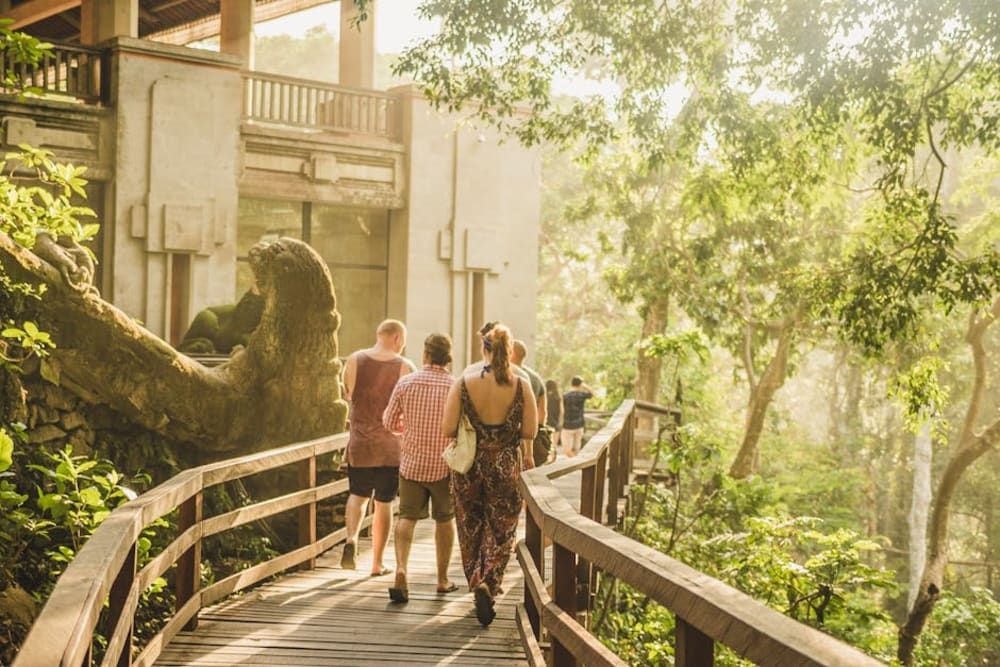
Many travelers come to Bali seeking a genuine cultural experience, only to find themselves in crowded tourist areas. This guide is crafted for those who wish to go deeper, to connect with the island's living heritage in its traditional villages. We move beyond separate listings to offer a practical, integrated guide for immersing yourself in the authentic rhythms of Balinese life. Discover ancient communities, master artisans, and breathtaking landscapes far from the typical tourist trail, with clear advice on how to visit respectfully and meaningfully.
Why Seek a Deeper Village Experience?
Bali's true cultural heartbeat is strongest in its villages, where daily life is guided by the Tri Hita Karana philosophy of harmony with God, people, and nature. An immersion here offers more than just a photo opportunity; it's a chance to witness and understand this balance firsthand. You'll experience unparalleled hospitality, learn ancient skills directly from masters, and contribute more meaningfully to local economies. This guide focuses on villages that offer profound, non-commercialized interactions, ensuring your journey supports cultural preservation and provides memories that last a lifetime.
Tenganan Pegringsingan: Stepping into Ancient Bali Aga
Begin your journey in Tenganan Pegringsingan, one of Bali's oldest and most preserved Bali Aga (original Balinese) villages. Located near Candidasa, this walled community maintains unique pre-Hindu customs and social structures. The highlight is the rare double-ikat weaving technique, known as *geringsing*, which can take years to create a single piece. When visiting, dress modestly, speak softly, and always ask permission before taking photographs, especially of people or inside courtyards. Engage with local artisans to learn about the sacred process—this is not a staged show but a living tradition.
Sidemen: The Art of Traditional Silk Weaving
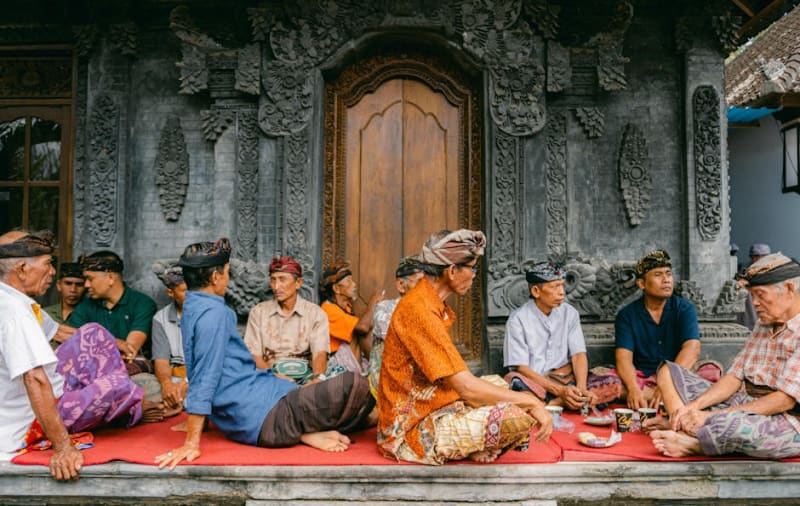
Nestled in the lush valleys east of Ubud, Sidemen is a serene landscape of rice fields and Mount Agung views, but its soul lies in textile artistry. Here, families have practiced traditional silk weaving for generations. You can visit small, home-based workshops to see the intricate process from thread to finished *songket* or *endek* fabric. A respectful visit involves genuine interest; consider purchasing directly from the weaver after a demonstration. For a fuller immersion, several family-run guesthouses offer stays, allowing you to wake up to the rhythmic sound of the loom.
Munduk: Aromatic Journeys in Coffee and Spices
The cool, misty highlands of Munduk offer a different sensory immersion centered on Bali's agricultural heritage. This area is famed for its coffee, cocoa, and spice plantations. Instead of large, crowded tours, seek out small-scale, family-owned farms. A walk through these gardens with a local farmer is an education in organic cultivation. You'll learn about *luwak* coffee ethics, taste fresh cloves and vanilla, and understand the farm-to-cup process. Remember, respectful participation means listening and not haggling over small tasting fees that support these families directly.
Belimbing: Rice Terrace Harmony & Traditional Architecture
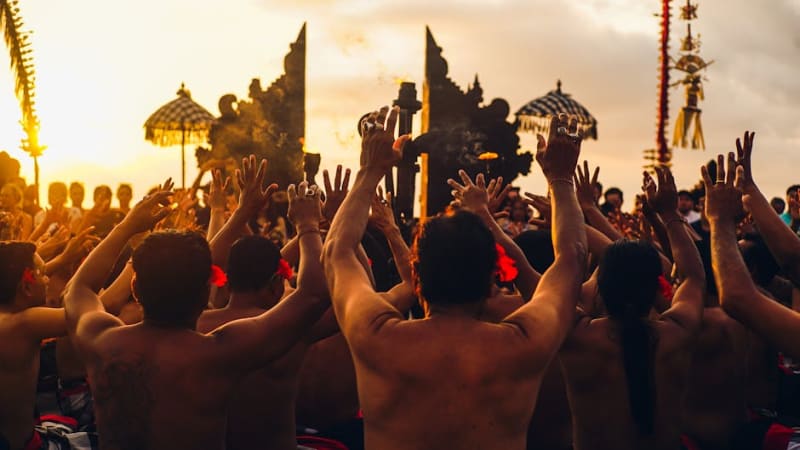
While Tegallalang is famous, the Belimbing (or Jatiluwih) area offers a more expansive and less crowded view of Bali's iconic Subak irrigation system, a UNESCO World Heritage site. The vast, layered rice terraces demonstrate incredible communal water management. Explore on foot via farmer's paths, but stay on designated ridges to avoid damaging crops. Nearby, look for traditional *balé* (pavilions) and village temples that showcase authentic Balinese architecture without modern alterations. Your presence helps preserve this cultural landscape, so consider a small donation at local donation boxes.
Practical Itinerary & Essential Cultural Etiquette
A realistic 5-7 day immersion could start in Sidemen (2 nights), travel to Tenganan for a day visit from Candidasa, then head to Munduk (2 nights) to explore highlands, and finish near Belimbing. Rent a car with a local driver who understands your cultural focus. Key etiquette: Always dress modestly when entering villages (cover shoulders and knees). Use your right hand for giving and receiving. Participate quietly in ceremonies if allowed, but never stand higher than a priest or offerings. Learn basic phrases like "Suksma" (thank you). Negotiate prices politely for handicrafts, but understand the true value of handmade, time-intensive work.
Conclusion
Embarking on this village journey is the key to unlocking the authentic soul of Bali—a world of profound craftsmanship, ancient wisdom, and breathtaking natural harmony. It's a travel choice that rewards you with deep connections and supports the preservation of these incredible cultures. For more detailed guides, authentic homestay recommendations, and to plan your responsible cultural trip, explore our complete resources at baliholiday.xyz. Let your adventure into the real Bali begin.