Taman Ayun Temple A Majestic Oasis in the Heart of Bali

Bali, the Island of the Gods, is renowned for its captivating temples, each whispering stories of the island’s rich culture and deep-rooted spirituality. Among these gems, Taman Ayun Temple (Pura Taman Ayun) stands out as a magnificent architectural and historical landmark.
🌴 Quick Summary & Tips
Discover the serene beauty of Taman Ayun Temple, a royal Mengwi heritage site surrounded by lotus ponds and towering Meru shrines. Learn about its history, architecture, and UNESCO status, plus practical tips for a respectful visit.
A Royal Legacy Etched in Stone
Construction of Taman Ayun Temple began in 1632 under the reign of King I Gusti Agung Putu of the Mengwi Kingdom. Serving as the royal family temple, Taman Ayun played a pivotal role in the spiritual life of the Mengwi royalty. The temple complex also functioned as a unifying symbol for the kingdom, fostering a sense of community and shared heritage.
A Masterpiece of Balinese Architecture
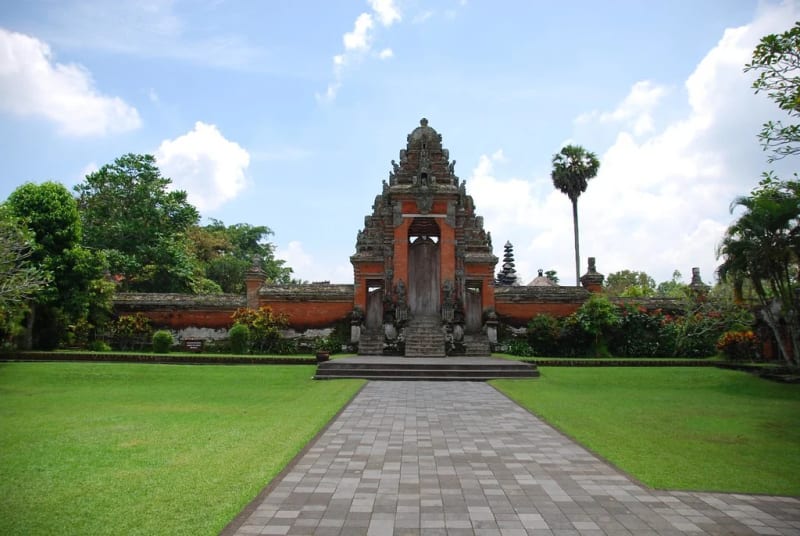
Taman Ayun translates to "beautiful garden," and the name aptly reflects the temple's captivating design. Stepping into the complex is like entering a verdant sanctuary. Sprawling lotus ponds and manicured gardens create a serene atmosphere, while the towering pagodas and intricately carved stone structures showcase the brilliance of Balinese architecture. Multi-tiered meru shrines, symbolizing Mount Meru—the sacred cosmic mountain and dwelling place of the Hindu gods—rise gracefully across the temple grounds. Built from a combination of brick and stone bases with intricately carved wooden structures, and topped with black thatched roofs made from ijuk (palm fiber), these shrines embody both spiritual devotion and traditional Balinese craftsmanship. Their tiered roofs reach skyward, representing layers of the universe and a continuous gesture of reverence toward the divine.
A Journey Through Courtyards and Enclosures
At Pura Taman Ayun, the layout is a classic example of Balinese temple architecture based on a clear division of sacred space, moving from the outer world toward the most sacred inner sanctum. In general, the complex includes: The outer courtyard (jaba), which acts as a welcoming and transitional space between the outside world and the temple. This area is often used for gathering and preparation during ceremonies. The middle courtyard (jaba tengah), where most of the community-focused structures are located. Here you’ll find pavilions such as the wantilan (a large open hall used for meetings and communal activities), as well as spaces for ritual preparation and occasional traditional events. The inner courtyard (jeroan), which is the most sacred area and is reserved for worship. This is where the beautifully tiered meru shrines stand, dedicated to Hindu deities and royal ancestors. Architectural highlights include the Bale Kambang, a pavilion set within a small pond that resembles a floating lotus flower, and the candi bentar (split gate) and paduraksa gates that mark transitions between sacred zones. Historically, the temple’s communal hall (wantilan) also served as a space for traditional ritual activities, including tajen (cockfighting), which in Balinese culture is associated with ceremonial offerings rather than entertainment. In Balinese tradition, tajen (cockfighting) is sometimes associated with ritual offerings known as tabuh rah, tabuh rah is a traditional ritual offering meant to symbolically calm “Bhuta Kala” and bring balance back to the universe according to Balinese Hindu philosophy. Bhuta Kala represents untamed natural forces and negative or chaotic energies in the universe. So, in this worldview, positive and negative are not enemies—they are complementary forces. Life exists because both are present, and spiritual practice is about keeping them in balance rather than eliminating one side. So overall, Taman Ayun is not only a place of worship but also a structured cultural space that historically supported both spiritual rituals and community life
A UNESCO World Heritage Site
In 2012, Taman Ayun Temple, along with the Subak cultural landscape of Bali, was inscribed as a UNESCO World Heritage Site. This recognition highlights the temple's exceptional cultural and historical significance, not just for Bali but for the entire world.

A Spiritual Sanctuary and Cultural Gem
Today, Taman Ayun Temple remains an active place of worship for the local community. Visitors are welcome to witness traditional ceremonies or simply wander through the serene grounds, soaking in the temple's captivating beauty. Whether seeking a spiritual connection or simply appreciating artistic and architectural marvels, Taman Ayun offers a captivating experience for all.
Planning Your Visit to Taman Ayun Temple
Taman Ayun Temple is open daily from 8am to 6pm. A modest entrance fee applies. Dress modestly out of respect for the temple's sanctity. Consider hiring a local guide to gain deeper insights into the temple's history and significance. Taman Ayun Temple is a must-visit for anyone seeking to delve into the heart of Balinese culture. With its majestic architecture, serene atmosphere, and rich history, this captivating oasis offers a place for spiritual reflection, cultural appreciation, and a deeper understanding of the island's soul.