Experience the Beauty of Balinese Dance in Your Private Villa on Your Special Occasion
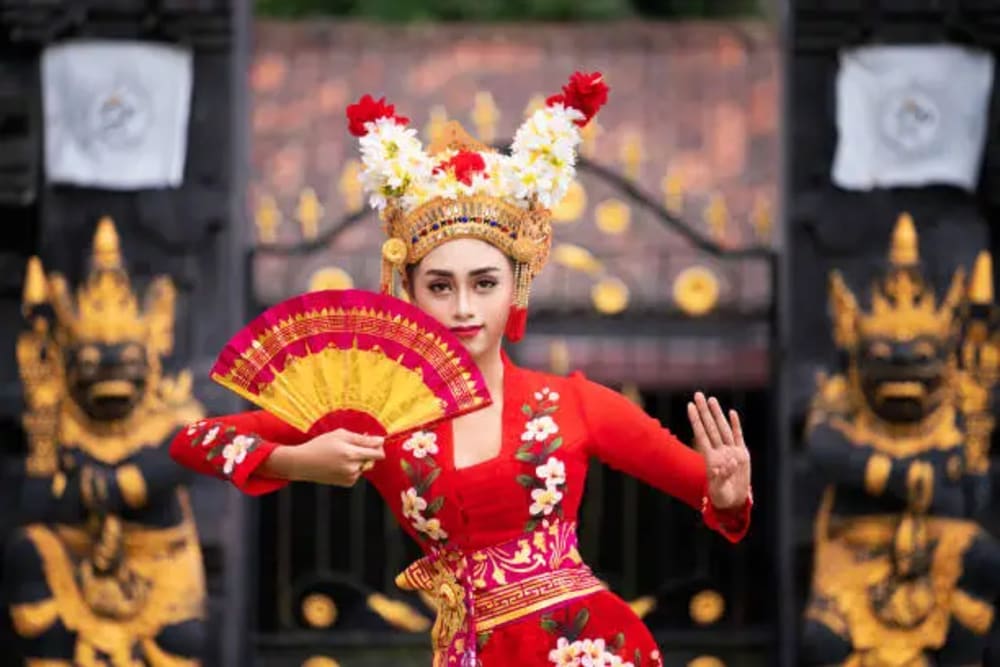
Imagine the enchanting allure of Balinese dancers gracefully moving to traditional music in the intimate setting of your private villa, making your special occasion truly unforgettable. Offering an exquisite Balinese dance service, we bring the cultural r
🌴 Quick Summary & Tips
Discover how a private Balinese dance performance can transform your villa celebration into a magical cultural experience. Learn about the graceful Legong dance, its storytelling, and how to arrange an intimate show for birthdays, anniversaries, or any special occasion. Elevate your event with authentic music, vibrant costumes, and personalized choreography.
Among the captivating Balinese dances, the traditional Legong dance shines with its delicate movements and profound storytelling. This dance, performed exclusively by female dancers adorned in vibrant sarongs and intricate headdresses, tells tales of love, devotion, and mythical legends through subtle gestures and expressive eyes.
Balinese dance is more than just a cultural performance; it is a profound expression of Bali's rich heritage and artistic traditions. Rooted in ancient Hindu traditions and influenced by Javanese and Balinese court cultures, Balinese dance has evolved into a captivating art form that continues to mesmerize audiences worldwide. The history of Balinese dance dates back centuries, originating from the rituals and ceremonies of the Balinese people. It is deeply intertwined with Hindu mythology and religious beliefs, serving as a form of worship and storytelling. Over time, these dances have adapted and diversified, reflecting the island's dynamic cultural landscape. What sets Balinese dance apart is its intricate movements, expressive gestures, and elaborate costumes. Each dance tells a story, often depicting themes of love, mythology, and spirituality. The performers, adorned in vibrant attire and adorned with ornate headdresses, embody characters from Balinese folklore with grace and precision.

Balinese dance is categorized into two main types based on gender: male (Wali) and female (Bebali). Male dances tend to emphasize strength, agility, and dramatic expressions, often portraying warrior roles or mythical figures. In contrast, female dances, such as the Legong and the graceful Pendet, focus on fluidity, delicate movements, and storytelling through gestures and facial expressions. Balinese dances can be classified into two broad categories: entertainment (Wali) and sacred (Bebali). Entertainment dances, performed for public enjoyment and festivities, include lively and energetic forms like the Barong dance and the Kecak dance, famous for its rhythmic chanting. Sacred dances, on the other hand, are reserved for religious ceremonies and rituals, such as the Sanghyang Dedari, a trance dance performed by young girls to appease the gods. The allure of Balinese dance lies in its ability to transport audiences into a realm of beauty, spirituality, and cultural authenticity. Its mesmerizing rhythms, elaborate costumes, and symbolic gestures evoke a sense of wonder and reverence. For Balinese people, dance is not just a performance but a way of life, deeply embedded in their education system from an early age.
From primary school onwards, children in Bali are introduced to Balinese dance as part of their curriculum. This early exposure not only preserves the cultural heritage but also instills a sense of pride and identity among the younger generations. Through dance, children learn discipline, teamwork, and a deep appreciation for their cultural roots. Balinese dance is a testament to the island's vibrant cultural identity and artistic legacy. Whether performed in a village temple or on a global stage, it continues to captivate audiences with its beauty, grace, and timeless storytelling. Experience the magic of Balinese dance and embark on a journey into the heart of Bali's cultural heritage.

Here are more examples of Balinese dances that are performed for entertainment purposes, each with its own unique charm and cultural significance: Legong Kraton: This is a refined version of the Legong dance traditionally performed in royal palaces. It involves intricate choreography, delicate movements, and elaborate costumes. Legong Kraton often portrays classical tales of love and devotion. Puspanjali: A ceremonial dance that opens traditional performances, symbolizing a greeting or offering of flowers to the gods. It is characterized by slow, graceful movements and serves as an invocation for blessings and protection. Kembang Girang: Translating to "joyful flower," this dance celebrates the beauty of flowers and nature through expressive movements and colorful costumes. It often depicts themes of youth, love, and the natural world. Cendrawasih: Named after the bird-of-paradise, this dance mimics the graceful movements of the bird, known for its elaborate courtship displays. Dancers wear intricate costumes adorned with feathers and perform fluid, bird-like movements. Belibis: Inspired by the egret bird, Belibis dance emphasizes elegance and agility, with dancers imitating the bird's movements as it hunts for fish in shallow waters. It showcases precision and grace through subtle gestures and quick footwork. Merak Angelo: This dance depicts the peacock (merak) in its majestic glory, showcasing the bird's vibrant feathers and proud demeanor. Dancers skillfully emulate the peacock's movements and display, accompanied by lively music and rhythmic patterns. Pajembrahma: A sacred dance performed to purify the performance space and invoke blessings from the gods. Pajembrahma involves intricate ritual movements and gestures, symbolizing harmony and spiritual alignment. Manuk Rawa: Also known as the heron dance, Manuk Rawa celebrates the heron's graceful movements as it wades through marshlands. Dancers wear costumes that resemble the heron and perform slow, deliberate movements to evoke the bird's serene presence. Tenun: Inspired by the art of traditional weaving (tenun), this dance celebrates the craftsmanship and cultural significance of textile production in Bali. It combines rhythmic movements with symbolic gestures that reflect the weaving process and its cultural importance. Tari Burat Wangi: Burat Wangi is a joyful and lively dance that celebrates the beauty and fragrance of flowers (burat wangi). Dancers often carry flower offerings and perform intricate movements that reflect the vibrant colors and delicate petals of flowers. Tari Sekar Jepun: Sekar Jepun, also known as the Frangipani dance, is inspired by the fragrant Jepun (frangipani) flower. This dance is characterized by graceful movements that mimic the swaying of flower petals in the breeze, accompanied by traditional music. Legong Condong: Condong refers to the Legong dance performed by a single dancer, accompanied by a group of male dancers (called Condong dancers). It is known for its refined movements and graceful storytelling. Tari Joged: Joged is a social dance that is lively and interactive, often performed at celebrations and festivals. It involves playful interactions between male and female dancers, as well as audience members who are invited to join in the dance.