Traditional Balinese Wellness Guide 2026: From Boreh Scrubs to Meditation Ancient Healing Practices Every Tourist Must Experience
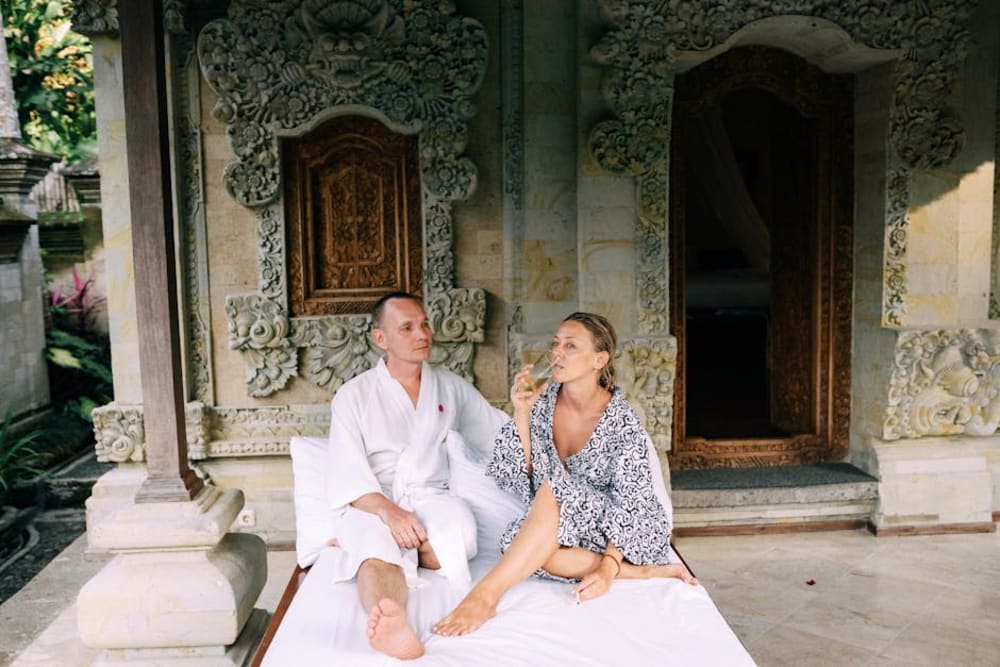
Bali's reputation as a wellness paradise is undeniable, yet many visitors experience only the surface-level spa treatments found in tourist hubs. The true essence of Balinese healing lies in ancient traditions passed down through generations, rooted in the island's unique blend of Hindu philosophy, natural medicine, and spiritual balance. This guide goes beyond the brochure to explore three foundational pillars of authentic Balinese wellness: the herbal art of Boreh, accessible meditation practices, and the profound spiritual purification of Melukat. Understanding these practices allows you to engage with Bali's culture respectfully and experience a deeper, more transformative journey.
Boreh: The Herbal Heart of Balinese Body Care
Long before modern spas existed, Balinese used Boreh, a warming herbal paste, as a core treatment for health and wellness. This traditional 'jamu' for the skin is made from a base of rice flour and a potent blend of fresh ingredients like ginger, turmeric, cloves, cinnamon, and other local herbs. Applied to the body, Boreh generates a comforting heat that penetrates muscles, improves circulation, and is believed to relieve aches, fatigue, and even symptoms of the common cold. It's the original deep-heat therapy and detoxifier, forming the authentic foundation for many 'Balinese spice scrubs' or 'herbal wraps' you see today. Experiencing a traditional Boreh, often followed by a steam and massage, connects you directly to the island's ancestral wisdom of using nature's pharmacy.
Finding Your Center: Meditation & Mindfulness in Ubud and Beyond
Wellness in Bali is incomplete without addressing the mind. Meditation (semadi) is an integral part of daily Balinese life, a practice of calming the mind to achieve clarity and spiritual connection. For tourists, this is wonderfully accessible, especially in areas like Ubud. You don't need to be an expert. Many local centers, yoga studios, and even guesthouses offer beginner-friendly guided sessions. These can range from silent sits in a peaceful pavilion to walking meditation in rice fields or sound baths using traditional instruments. The key is to approach with an open mind. These practices offer a tangible sense of peace and a tool for mindfulness you can carry home, making your holiday more than just a physical escape.
The Sacred Waters: Understanding the Melukat Purification Ceremony
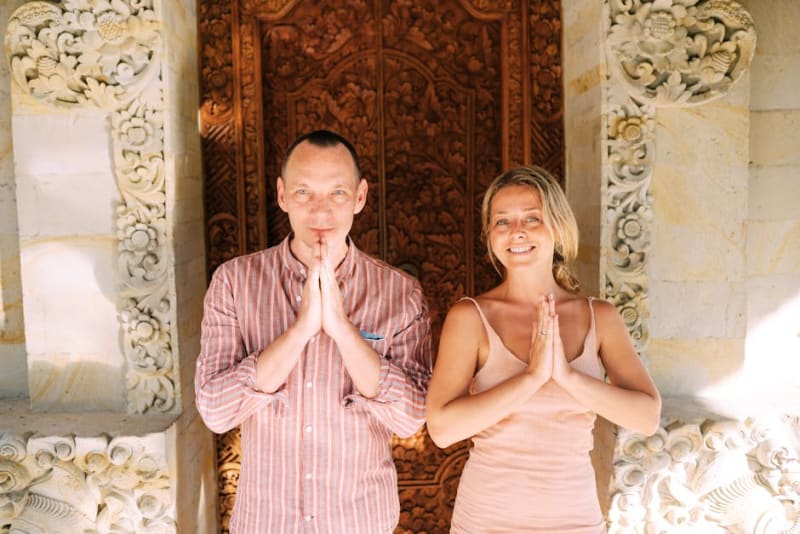
For a truly profound spiritual experience, consider participating in a Melukat ceremony. Melukat is a Hindu-Balinese ritual of purification using holy spring water (tirta) to cleanse negative energy, thoughts, and past misfortunes, symbolizing a fresh start. It's a sacred act, not a performance. Tourists can join respectfully at designated temple springs like Tirta Empul, but it's crucial to do so with guidance. Always go with a knowledgeable local guide or through a reputable wellness facilitator who can explain the procedures, prayers, and proper attire (usually a sarong and sash). Participation is about sincere intention, not photography. This respectful engagement allows you to witness a living spiritual practice central to Balinese identity.
How to Experience Boreh Authentically
To experience real Boreh, look for wellness centers that emphasize traditional methods or visit a 'balian' (traditional healer) if you seek a more medicinal application. Many family-run spas in villages still prepare the paste fresh daily. The process typically involves a full-body application, wrapping, and a period of rest to let the herbs work, followed by a rinse and often a massage. The scent is earthy and spicy, and the warming sensation is distinctive. Communicate any skin sensitivities beforehand. Remember, authentic Boreh is about healing, not just exfoliation.

A Tourist's Guide to Respectful Ceremony Participation
When engaging in spiritual practices like Melukat or temple visits, respect is paramount. Always dress modestly, covering shoulders and knees. Follow your guide's instructions precisely on where to sit, pray, and bathe. Women who are menstruating are traditionally asked not to enter temple courtyards or participate in ceremonies—this is a cultural norm based on concepts of purity. Maintain a quiet, reverent demeanor. Offerings (canang sari) are sacred; avoid stepping on them. Making a small donation for the temple's upkeep is customary. Your respectful behavior honors the culture and deepens your own experience.
Integrating Traditional Wellness into Your Bali Itinerary
You can easily weave these practices into any travel style. A backpacker might join a donation-based meditation class and visit a local healer for Boreh. A luxury traveler could book a resort program that incorporates these elements with high-end amenities. Schedule a Melukat ceremony early in your trip for symbolic cleansing. Dedicate a morning to meditation, then an afternoon to a Boreh treatment. The goal is balance: complement beach days and tours with these inward-looking experiences. Listen to your body and intuition to choose what feels right for you.
Conclusion
Authentic Balinese wellness is a holistic journey connecting body, mind, and spirit through living traditions. By seeking out the roots of these practices—the healing touch of Boreh, the quiet focus of meditation, and the sacred flow of Melukat—you move beyond the commercial spa and touch the soul of the island. This deeper engagement creates meaningful memories and a sense of personal renewal. For more guides on experiencing Bali's culture respectfully and planning your perfect wellness journey, explore the complete resource library at baliholiday.xyz.