Exploring Goa Gajah Temple A Glimpse into Bali Mystical Heritage

Bali, renowned for its pristine beaches and vibrant culture, holds a treasure trove of ancient sites and spiritual landmarks. Among these, Goa Gajah Temple stands out as a testament to the island's rich history and religious significance. Located near the
Cultural Influence
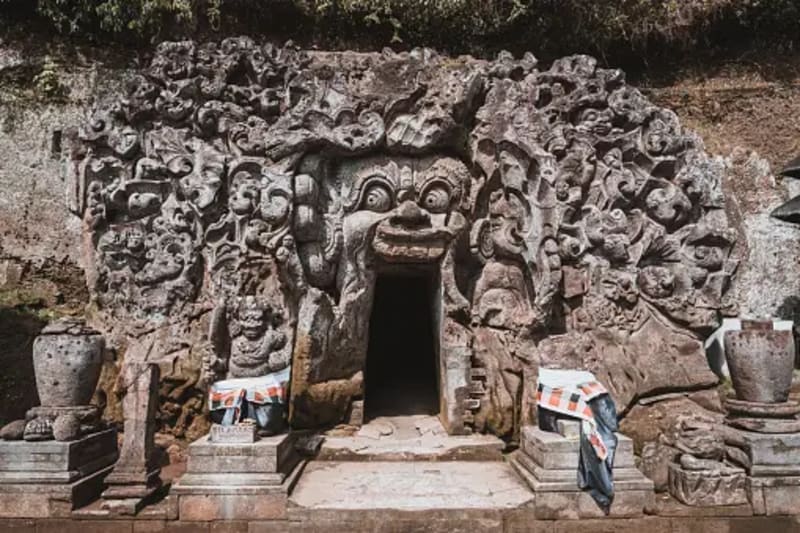
Goa Gajah, which translates to 'Elephant Cave' in Indonesian, dates back to the 9th century. Originally built as a sanctuary for meditation, it later evolved into a revered Hindu temple complex. The exact origins and purpose of the cave remain shrouded in mystery, adding to its allure and intrigue. Approaching the temple, visitors are greeted by a stunning facade adorned with intricate stone carvings and statues. The main entrance resembles a monstrous face, representing the Hindu god Bhoma, guarding the spiritual realm beyond. The blend of Hindu and Buddhist architectural elements reflects Bali's syncretic religious practices. For centuries, Goa Gajah has served as a place of worship and spiritual retreat. The cave's interior features a meditation chamber and holy bathing pools, where devotees and pilgrims cleanse themselves spiritually. The site's peaceful ambiance and natural surroundings enhance the spiritual experience for visitors seeking solace and introspection. Beyond its religious significance, Goa Gajah Temple embodies Bali's cultural heritage. Its carvings depict scenes from Hindu epics and mythological creatures, offering insights into the island's artistic traditions and storytelling prowess. The temple's preservation efforts underscore Bali's commitment to safeguarding its cultural legacy amid modernization.
Visitors' Experience
Upon entering the temple grounds, visitors are enveloped in a serene atmosphere, punctuated by the sounds of trickling water and rustling leaves. The lush greenery and ancient banyan trees provide a picturesque backdrop for exploration and photography. Guided tours are available for those eager to delve deeper into the temple's history and significance. In recent years, efforts have been made to preserve and restore Goa Gajah Temple amidst growing tourism and environmental challenges. Conservation projects aim to maintain the temple's structural integrity and safeguard its priceless artifacts. Sustainable tourism practices ensure that future generations can continue to appreciate and learn from this cultural gem. The temple also plays a pivotal role in the lives of nearby communities, fostering a sense of pride and cultural identity among residents. Local ceremonies and festivals often incorporate rituals held at Goa Gajah, reinforcing its status as a sacred site integral to Balinese spirituality.

Tourism and Accessibility
Accessible from Ubud and other major tourist hubs, Goa Gajah Temple welcomes thousands of visitors annually. Tourists are encouraged to respect the site's sanctity and adhere to dress codes before entering the temple premises. Souvenir shops and eateries nearby offer glimpses into Balinese handicrafts and cuisine, adding to the overall visitor experience. Despite decades of archaeological study, many mysteries surrounding Goa Gajah remain unsolved. Archaeologists continue to uncover artifacts and inscriptions that shed light on the temple's origins and cultural significance. The cave's deeper chambers and unexplored passages fuel speculation about its hidden treasures and historical secrets.
Art and Symbolism
The temple's artwork, from intricate carvings to symbolic motifs, serves as a visual tapestry of Bali's spiritual beliefs and cultural narratives. Each sculpture and relief carries layers of meaning, inviting interpretation and contemplation among scholars and visitors alike. Throughout the year, Goa Gajah hosts religious ceremonies and cultural festivals that attract pilgrims and tourists alike. These vibrant celebrations showcase traditional music, dance, and rituals, offering a glimpse into Bali's living heritage and spiritual practices. Surrounded by lush rice terraces and verdant landscapes, Goa Gajah Temple embodies Bali's harmonious relationship with nature. The site's natural beauty and biodiversity underscore the island's commitment to sustainable tourism practices and environmental conservation. As a UNESCO World Heritage Site candidate, Goa Gajah Temple draws global attention to Bali's cultural treasures and historical significance. Its nomination reflects ongoing efforts to protect and promote the island's diverse heritage for future generations. Educational programs and workshops at Goa Gajah Temple provide insights into Balinese spirituality, history, and traditional arts. Scholars and students alike benefit from studying the temple's architectural evolution and cultural impact on Bali's identity.
Conclusion
In conclusion, Goa Gajah Temple remains a beacon of Bali's ancient spirituality and cultural resilience. Its timeless beauty and spiritual significance continue to inspire awe and reverence among visitors, ensuring its legacy as a cherished cultural landmark in the heart of Indonesia's Island of the Gods. Visiting Goa Gajah Temple is not just a journey through time but also an immersion into Bali's spiritual and cultural tapestry. From its mysterious origins to its artistic treasures, this sacred site offers a profound glimpse into the island's enduring heritage and the profound spirituality that defines Balinese culture.