Experiencing Nyepi in Bali: A Traveler’s Guide to the Day of Silence

Don't miss this rare opportunity to experience Bali like never before. If you're planning to visit Bali and find yourself there during Nyepi, the Day of Silence, you're in for a truly unique experience.
History of Nyepi Day
Nyepi, also known as the Day of Silence, is a significant cultural and spiritual observance in Bali, Indonesia. It marks the Balinese New Year according to the Saka calendar, which usually falls in March or April. The history of Nyepi dates back over a thousand years, rooted in the island’s Hindu traditions. Nyepi's origins lie in the Hindu practice of purification, which has been observed in various forms across India and Southeast Asia for centuries. In Bali, Nyepi is a continuation of the traditional Hindu customs associated with the Saka New Year. The Saka calendar itself has a deep connection to the lunar and solar cycles, marking an important turning point in the year. The Balinese calendar follows the Saka calendar, a lunar-based system that is derived from the Indian Hindu calendar. The Saka calendar is used to determine important dates for religious festivals and rituals, including Nyepi. The Saka year is based on the cycles of the moon, with each month corresponding to a lunar cycle. It consists of 12 months, and each month can either be 30 or 29 days long, making the entire year around 354 days. This is slightly shorter than the Gregorian solar year, which is why the Saka calendar needs to be adjusted by adding an additional month, much like the leap years in the Gregorian calendar. Nyepi falls on the 1st day of the new Saka year, which typically coincides with the Balinese New Year. This day is calculated based on both lunar and solar alignments, so the date of Nyepi shifts each year. The rituals of Nyepi are influenced by the ancient Hindu belief that during the transition from one year to the next, the Earth and its inhabitants must be cleansed of negative influences and energies.
The Concept of Balance on Nyepi Day in Bali
The primary purpose of Nyepi is to restore balance to both the people of Bali and the island itself. During this day, the island is completely still. There are no activities, no travel, no entertainment, and even no lights after dark. This enforced silence and stillness allow for the purification of negative energies and the restoration of the balance between humans, nature, and the divine. The concept of Tri Hita Karana is essential to understanding the importance of Nyepi. Translated as the "three causes of well-being," it teaches that balance in life comes from three essential relationships
Why Should You Experience Nyepi in Bali?
The Day of Silence is one of the most unique and spiritual holidays in Bali, offering visitors a rare opportunity to experience the island's rich culture in a completely different way. For a few days leading up to it and the day itself, the entire island comes to a halt, and everything slows down. If you happen to be in Bali during Nyepi, you will witness the island’s true spiritual side and gain a deeper appreciation for its traditions. Whether you're a first-time visitor or have been here before, experiencing Nyepi in Bali is an opportunity that should not be missed.
The Days Leading Up to Nyepi
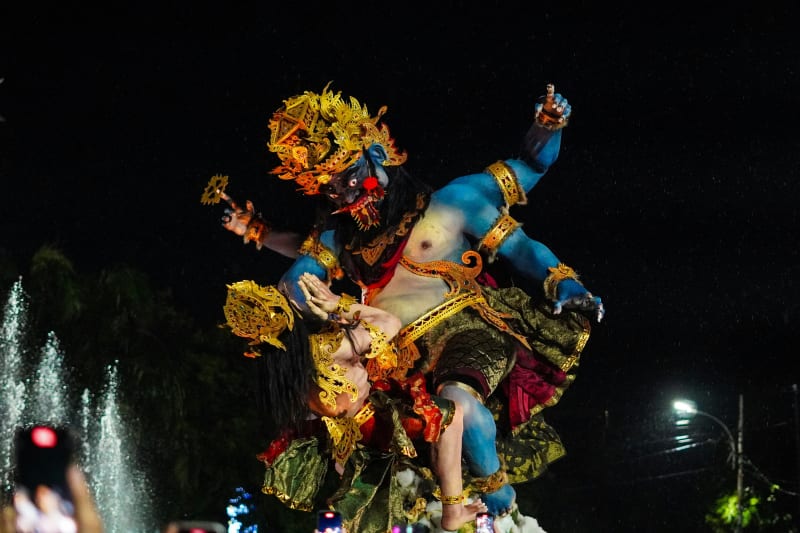
Since Nyepi is such an important celebration in Bali, travelers should be prepared for the restrictions that come with the day. Most businesses, including shops, cafes, and beaches, close. Airport closures are also expected, and no flights are allowed in or out of Bali for 24 hours. The silence during Nyepi is also a sign of respect for the island's traditions. For some visitors, this might feel inconvenient, but it’s also a fantastic chance to experience a Bali that most people never get to see—the real heart of the island. On the night before Nyepi, Bali comes alive with a night of celebration. Ogoh-Ogoh, large statues made from bamboo and paper, are paraded through the streets in various parts of the island. These figures represent evil spirits, and the Ogoh-Ogoh parade is a way for Balinese people to "drive away" bad spirits and purify their surroundings before the new year begins. The streets fill with excitement as these impressive statues are carried by large groups of people, accompanied by traditional music, chanting, and dancing. It’s an incredible experience to watch if you're in Ubud, Seminyak, or Denpasar.

A Day of Complete Silence
Then, the day arrives. Nyepi begins, and everything in Bali—literally everything—comes to a stop. No cars, no motorcycles, no planes flying. Even the beach resorts close their doors, and hotels are required to keep their lights dim or off. For a whole 24 hours, the Day of Silence takes over. But don’t worry, it’s not as quiet and boring as it may sound. While Nyepi can feel strange and isolating for travelers who are used to the usual hustle and bustle of Bali, it’s an experience like no other. Bali is quieter, and you’ll have an opportunity to disconnect from the noise of the outside world. On Nyepi, the entire island of Bali enters a state of stillness and silence. For the Balinese, Nyepi is not just a holiday, but a sacred day of reflection and atonement. It is believed that by refraining from worldly activities, Balinese Hindus are able to meditate and commune with the divine, reflecting on their past actions and purifying their minds. The day is meant to cleanse both the individual and the land, preparing the island for a fresh start in the new year. The silence is part of a larger set of restrictions: no work, no travel, no entertainment, and no lights. These rules are followed strictly by the locals and are even enforced by traditional security patrols called pecalang. The quiet, paired with the absence of human activity, is said to appease the gods and allow them to rest while they watch over the island and its people. The silence also encourages the inhabitants of Bali to focus inward, bringing them closer to their spiritual selves and allowing them to purify their hearts and minds.
The Return of Life
Once Nyepi ends, Bali slowly comes back to life. The stillness lifts, and the island begins to return to normal. Traffic resumes, shops open, and the island is back in motion. You’ll see locals gathering again for their daily routines, and tourists can once again explore the beaches, markets, and cultural attractions. The Day of Silence is a perfect contrast to the usual energy of Bali, and once it's over, you’ll feel like you've had a spiritual reset. While the island of Bali may return to its usual rhythm, the spiritual effects of Nyepi linger long after the day ends. The practice of silence and self-reflection offers an opportunity to reset, refocus, and reconnect with one’s spiritual path. For the Balinese, it’s a reminder of the importance of balance and harmony in their lives and in the world around them. For visitors, it’s a rare chance to experience a culture deeply rooted in spirituality and to witness firsthand how the island comes together in unity and peace. In the end, Nyepi is more than just a day of silence—it’s a day of renewal, cleansing, and reconnection. The end of the day marks not only the return of regular activities but also the continuation of Bali’s timeless commitment to balance, peace, and spiritual well-being.