Discovering Balinese Ceremonies A Window into Bali Rich Cultural Tapestry

Bali, known as the Island of the Gods, is not just a tropical paradise but also a land steeped in vibrant cultural traditions and rituals. One of the most intriguing aspects of Balinese culture is its elaborate ceremonies, which play a central role in the
🌴 Quick Summary & Tips
Explore the vibrant world of Balinese ceremonies, from temple anniversaries and Galungan festivities to life‑cycle rituals and the sacred Ngaben cremation. Discover how offerings, gamelan music, and traditional dances weave spirituality into daily life, offering travelers a profound cultural immersion. This guide reveals the meaning behind each rite and how to experience them respectfully.
The Significance of Balinese Ceremonies
Odalan: Odalan ceremonies are temple festivals held regularly to celebrate the anniversary of a temple's consecration. Each temple in Bali has its own odalan date based on the Balinese lunar calendar. During these festivals, the temple comes alive with colorful decorations, offerings, traditional music (gamelan), and dance performances. Galungan and Kuningan: Galungan is a major Hindu-Balinese festival that celebrates the victory of dharma (good) over adharma (evil). It occurs every 210 days and lasts for 10 days, culminating with Kuningan, a day of special offerings and prayers to ancestors. Bamboo poles decorated with offerings (penjor) line the streets during this festive period. Manusa Yadnya: Manusa Yadnya are life-cycle ceremonies that mark important milestones in a person's life, such as birth, puberty, marriage, and death. Each stage of life is celebrated with specific rituals and offerings to ensure the individual's spiritual well-being and social harmony. Ngaben: Ngaben, or Balinese cremation ceremony, is a sacred ritual that marks the passage of the soul to the afterlife. It is a time of both mourning and celebration, where the deceased is honored with elaborate processions, offerings, and a ceremonial cremation to release the soul from its earthly ties. Purnama and Tilem Ceremonies: These ceremonies coincide with the full moon (Purnama) and new moon (Tilem) phases of the Balinese lunar calendar. They are considered auspicious times for spiritual practices, temple visits, and offerings. Nyepi: Bali's Day of Silence, Nyepi is a unique cultural phenomenon where the entire island shuts down for 24 hours of introspection and meditation. It begins with Melasti, a purification ritual, and ends with Ngrupuk, a lively procession to ward off evil spirits. Kajeng Kliwon: Occurring every 15 days in the Balinese Pawukon calendar, Kajeng Kliwon is believed to be a day of heightened spiritual energy, prompting ceremonies and offerings for protection and blessings. Sasih and Wuku Celebrations: The Sasih calendar dictates temple anniversaries and festivals based on lunar months, while Wuku (a 210-day cycle) guides various cultural and agricultural rituals throughout the year.
Ceremonial Practices and Rituals
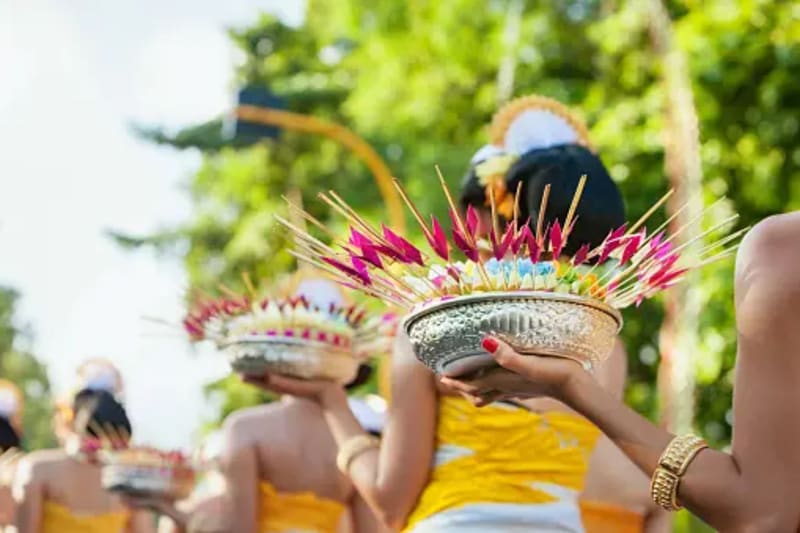
Balinese ceremonies are characterized by intricate rituals performed by priests (pedanda) and community members. Offerings (banten) play a central role, consisting of flowers, food, incense, and symbolic objects arranged meticulously to please the gods and spirits. Traditional dances, such as the Barong dance and Legong dance, are often performed to ward off evil spirits and invoke blessings. Bali's ceremonies are a testament to the island's enduring cultural identity and spiritual resilience. Whether you're attending a temple festival, witnessing a colorful procession, or simply observing daily rituals, each experience offers a glimpse into the profound beauty and depth of Balinese culture. Embrace these traditions during your stay in Bali, and you'll embark on a journey of discovery that transcends mere sightseeing, leaving you with cherished memories and a deeper appreciation for this enchanting island.
Why Experience Balinese Ceremonies?
Experiencing Balinese ceremonies provides a deeper understanding of the island's cultural identity and spiritual beliefs. It offers a chance to witness age-old traditions passed down through generations and to participate in rituals that emphasize community unity and respect for nature. For visitors, attending a Balinese ceremony is not only a cultural immersion but also a profound and memorable experience that connects them to the heart and soul of Bali.
