Bali's Hidden Sacred Spaces: A Practical Guide to Navigating Unmarked Temples and Holy Sites Like a Local
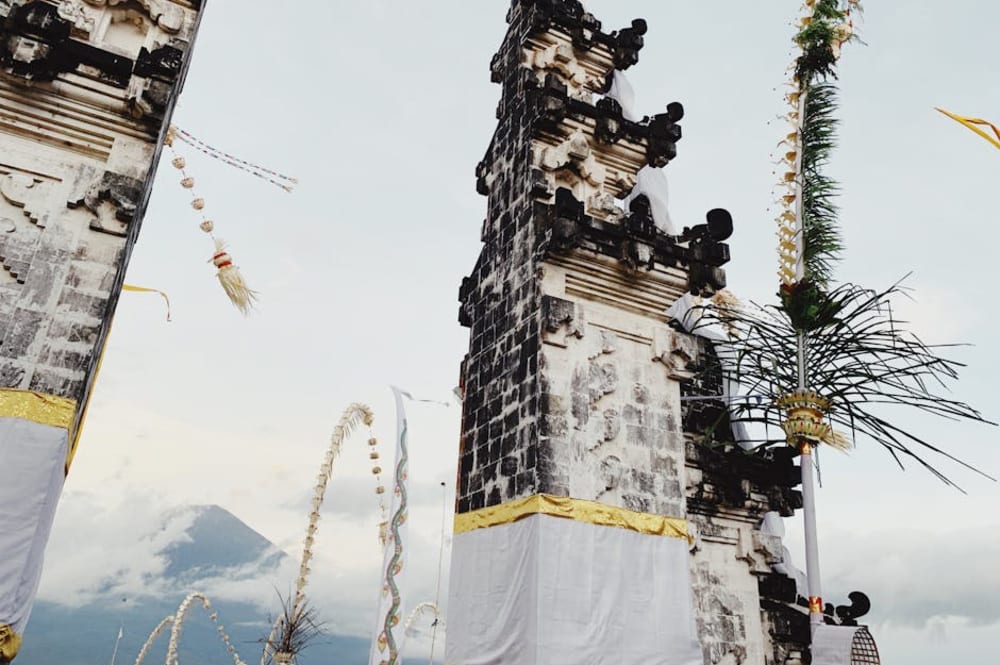
Beyond the famous sea temples and grand complexes, Bali's spiritual heart beats in countless unmarked sacred spaces. Hidden in rice fields, nestled by unlabeled springs, or standing humbly by the roadside, these sites are vital to daily Balinese Hindu practice but often invisible to tourists. Navigating them respectfully is not just about etiquette; it's about honoring a living culture. This guide equips you with the knowledge to identify, appreciate, and photograph these hidden gems without causing cultural offense.
Recognizing Bali's Unmarked Sacred Spaces
How do you spot a sacred site without a sign? Look for these common markers. A small shrine (pelinggih) with a thatched roof (meru) or a simple stone altar, often adorned with fresh flower offerings (canang sari) and wisps of incense smoke. Black-and-white checked cloth (poleng) wrapped around trees, rocks, or statues signifies spiritual energy. You might also see a simple bamboo pole penjor archway or a concentration of offerings at the base of a large, ancient tree (considered a dwelling place for spirits). A small wall (aling-aling) or elevated platform in a family compound often marks a family temple (sanggah).
The Golden Rules of Respectful Conduct
When you encounter a potential sacred site, always prioritize respect. First, pause and observe from a distance. Are there locals praying? Is it an active family compound? If so, do not enter. If it seems accessible and quiet, approach slowly and calmly. Always dress modestly; covering your shoulders and knees is a sign of respect, even at unmarked locations. Never climb on structures, touch offerings or ritual objects, or point your feet at altars. Your demeanor should be quiet and observant.

To Enter or Not to Enter? Understanding Boundaries
Determining if you can enter is crucial. If a site has a low wall or a clear gateway, it is a temple (pura). As a general rule, non-Hindus should not enter the innermost courtyard (jeroan) of any temple. You can often respectfully view from the outer areas. For very small roadside shrines or family temples integrated into compounds, it's best to admire from the public pathway unless explicitly invited. If a site is clearly within a family's living area, treat it as private property and do not intrude.
Photography Ethics: When and How to Capture the Moment
Photography requires extra sensitivity. Never photograph people during prayer or ritual without explicit, verbal permission. Avoid using flash, as it can be disruptive. Before photographing an empty shrine, take a mental pause to ensure it feels appropriate. It is considered deeply disrespectful to pose playfully on or with altars, or to move offerings for a 'better shot'. Your goal should be to capture the scene as you found it, preserving its authenticity and sanctity.

What to Do If You Accidentally Cause Offense
Mistakes can happen. If a local gently corrects you or indicates you've done something wrong (like stepping where you shouldn't), stop immediately. Offer a sincere, calm apology ("maaf" or "sorry"), follow their guidance to leave or correct your action, and do not argue. The Balinese are generally forgiving of well-meaning tourists who show remorse. The key is to learn from the experience and apply that knowledge going forward.
Embracing the Authentic Spiritual Journey
Seeking out these unmarked sites allows you to witness Bali's spirituality in its most authentic, daily form. You're not just observing a tourist attraction, but a living tradition. The value lies in quiet observation—watching the care with which offerings are placed, feeling the serene atmosphere of a hidden spring, or simply appreciating the artistic detail of a small shrine. This mindful approach enriches your travel experience far more than any checklist tour.
Conclusion
Exploring Bali's hidden sacred spaces is a privilege that offers a deeper connection to the island's culture. By learning to see the unseen and act with respect, you become a more conscious and welcome visitor. This knowledge is timeless, as the foundations of Balinese tradition remain constant. For more detailed guides on Balinese customs, temple etiquette, and off-the-beaten-path destinations, explore the other resources on baliholiday.xyz. Travel deeply, travel respectfully.