Bali Ecotourism 2026: Complete Guide to 10 Must-Visit Sustainable Destinations & How to Travel Sustainably on the Island of the Gods

Modern travelers are increasingly aware of the impact their journeys have on the environment and local communities. Yet, many are confused about finding destinations that genuinely support conservation without sacrificing an authentic and enriching experience. This guide bridges that gap by mapping 10 verified ecotourism locations across Bali—from the sustainable Green Village in Ubud and reef-safe snorkeling projects in Pemuteran to organic farming in Jatiluwih. It also includes practical tips on minimizing your carbon footprint, supporting local businesses, and participating in conservation programs. This content is evergreen because the principles of sustainability are timeless, and the topic of eco-tourism continues to evolve.
Understanding Bali Ecotourism: More Than Just a Trend
Ecotourism in Bali is a responsible travel philosophy that focuses on conserving the environment, respecting Balinese culture, and improving the well-being of local people. It moves beyond just visiting natural spots; it's about engaging with them in a way that ensures they thrive for generations. This approach counters the negative effects of mass tourism, such as pollution and cultural dilution, by promoting practices that are environmentally low-impact, culturally sensitive, and economically beneficial to host communities.
10 Verified Sustainable Destinations for Your Bali Itinerary
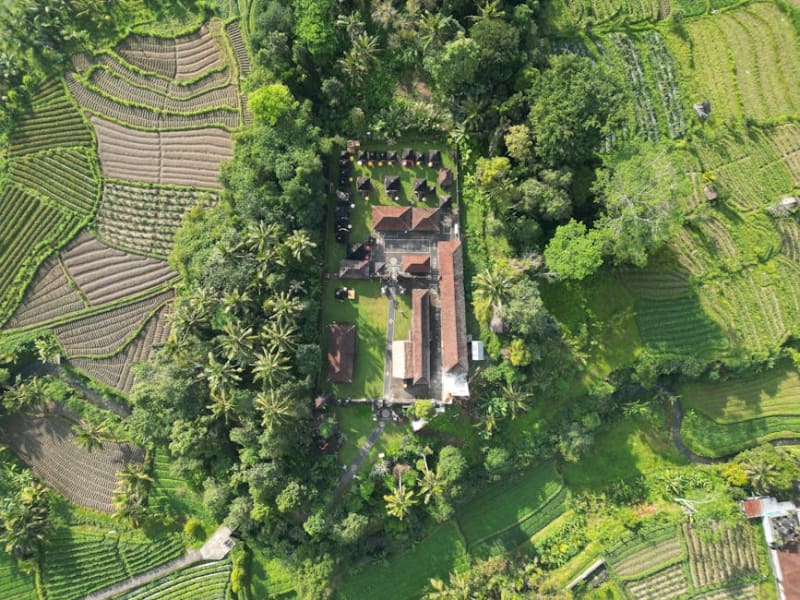
1. **Green Village, Ubud**: A residential community showcasing stunning bamboo architecture, demonstrating sustainable living without compromising luxury or design. 2. **Biorock Pemuteran**: A pioneering coral reef restoration project in North Bali where you can snorkel or dive to see regenerating reefs supported by low-voltage mineral accretion technology. 3. **Jatiluwih Rice Terraces**: A UNESCO World Heritage site, these ancient subak rice fields represent a sustainable, community-managed agricultural system. Support by purchasing directly from local farmer cooperatives. 4. **Bali Sea Turtle Society (Serangan Island)**: Participate in ethical turtle conservation by visiting their hatchery, learning about threats, and potentially witnessing a hatchling release (when in season and conducted responsibly). 5. **Sibang Permaculture Farm (Near Ubud)**: Join workshops or tours to learn about organic farming, food forests, and closed-loop systems that regenerate the land. 6. **Menyali Village & Waterfall (Northwest Bali)**: A community-based tourism initiative where village guides lead you to a beautiful waterfall, with fees directly supporting local schools and infrastructure. 7. **Bali Bird Park & Bali Reptile Park (Gianyar)**: While zoological in nature, these parks are actively involved in conservation breeding programs for endangered Indonesian bird and reptile species, focusing on education and species survival. 8. **Trunyan Village (Lake Batur)**: Visit this unique Aga village with a respectful guide to understand ancient Balinese customs and their distinct way of life, ensuring your visit benefits the community directly. 9. **Plastic-Free Pantai (Beach Clean-Up Initiatives)**: Join organized clean-ups by groups like Sungai Watch or Make a Change World. It's a hands-on way to contribute to Bali's fight against plastic pollution. 10. **Local Warung & Craft Cooperatives**: Prioritize eating at locally-owned warung and buying handicrafts from village cooperatives (like those in Tenganan or Kamasan). This ensures your spending supports artisans and families directly.
How to Travel Sustainably in Bali: Practical Tips for 2026
Adopting a sustainable mindset transforms your trip. Start by **choosing eco-conscious accommodations** that have clear waste, water, and energy policies. **Minimize plastic use** by carrying a reusable bottle, bag, and utensils; many cafes now offer refills. **Opt for low-carbon transportation** like renting an electric scooter, using shuttle services, or joining group tours to reduce individual vehicle use. **Respect cultural and natural sites**—dress modestly at temples, stay on paths during treks, and never touch or feed wildlife. **Conserve resources** as you would at home by reusing towels and turning off AC when not in the room.
Supporting Local Communities: The Heart of True Ecotourism
Sustainable travel ensures tourism revenue stays within the local economy. Hire local guides for deeper cultural insights, eat at family-owned warungs instead of international chains, and purchase souvenirs directly from artisan workshops. Consider participating in a **cultural exchange**, such as a cooking class in a family compound or a traditional craft workshop. This not only provides you with a unique skill but also creates a fair income for knowledge-keepers. Always ask for permission before photographing people, and be mindful that your interactions are based on respect and mutual benefit.

Participating in Conservation: From Observation to Action
Bali offers opportunities to move from passive observation to active participation. You can volunteer for a few hours with beach clean-up organizations. When diving or snorkeling, choose operators committed to reef-safe practices (no touching, standing on coral, or using harmful sunscreens). Visit and support legitimate wildlife rescue centers, such as those focused on primate or bird rehabilitation. Most importantly, be a responsible visitor in natural areas by taking all your trash with you and leaving nothing behind.
Planning Your Sustainable Bali Trip: A Quick Checklist
- **Accommodation**: Book lodges with green certifications or clear sustainability initiatives. - **Packing**: Include reusables (bag, bottle, straw), reef-safe sunscreen, and a power bank to avoid disposable battery waste. - **Booking Tours**: Select small-group or private tours with local operators who emphasize ethical practices. - **Dining**: Seek out restaurants that source ingredients locally and manage waste responsibly. - **Mindset**: Travel slower, immerse deeper, and remember that you are a guest in Bali's cultural and natural landscape.
Conclusion
Bali's future as a premier destination hinges on a balance between welcoming visitors and preserving its irreplaceable cultural heritage and natural environment. By choosing ekowisata, you become a part of the solution, ensuring the Island of the Gods remains vibrant and resilient. Your conscious choices—from the destinations you visit to the businesses you support—create a powerful positive impact. Start planning your meaningful journey today. For more in-depth guides and curated sustainable travel tips across Indonesia, explore baliholiday.xyz.