10 Authentic Local Coffee Shops in Bali Not on Instagram: Prices From 5K, Zero Tourists
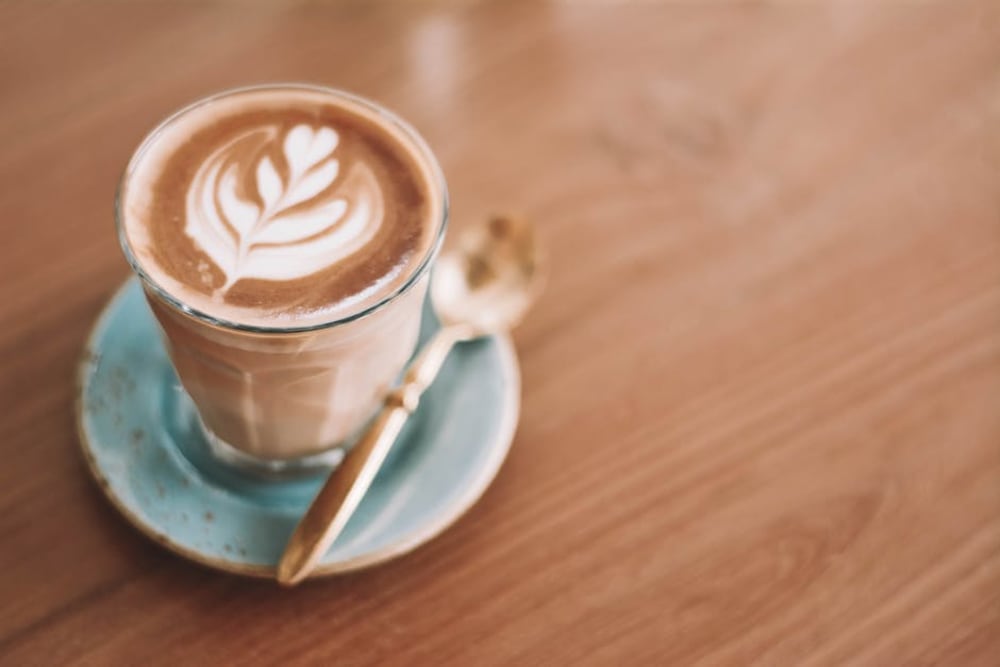
While most tourists flock to Instagrammable cafes in Canggu and Seminyak with their 80,000 IDR lattes, the real heart of Balinese coffee culture beats in humble warung kopi scattered across Denpasar, Gianyar, and Bangli. These local coffee stalls, often nothing more than a wooden bench under a tarp, serve kopi tubruk (traditional boiled coffee) for as little as 5,000 IDR per cup. No Wi-Fi, no air conditioning, and no oat milk alternatives—just strong coffee, local conversation, and an authentic glimpse into daily Balinese life that most tourists never experience.
What Makes Local Warung Kopi Different from Tourist Cafes
Warung kopi operate on a completely different philosophy than the cafes lining Batu Bolong Street. Here, coffee is fuel for conversation and community, not a photo opportunity. A typical warung kopi opens as early as 5:00 AM to serve market workers and closes by 6:00 PM. The menu is simple: kopi hitam (black coffee), kopi susu (coffee with condensed milk), or teh tarik. Prices range between 5,000 to 15,000 IDR depending on the location, with refills often costing half price. The seating consists of wooden benches or plastic stools where locals discuss village news, play chess, or watch football matches on small televisions.
Best Areas to Find Authentic Warung Kopi in Bali
To find these hidden gems, you need to venture outside the tourist zones of South Bali. In Denpasar, the area around Dauh Puri, Panjer, and Pasar Badung hosts numerous traditional warung kopi where market vendors and tricycle drivers gather. Gianyar town, particularly near the traditional market and bus terminal, offers authentic experiences with prices lower than Denpasar. For a truly local experience, explore the smaller towns of Bangli and Klungkung, where warung kopi serve as community centers for farmers and craftsmen. Avoid areas within 500 meters of major tourist attractions like Tanah Lot or Ubud Monkey Forest, as these establishments typically cater to foreigners with inflated prices and watered-down coffee.
How to Order Coffee Like a Local Without Causing Offense
Ordering at a warung kopi follows unwritten rules that differ from Western cafes. Upon arrival, simply sit at any available bench—no host will seat you. When the owner or server makes eye contact, shout your order: 'Kopi' for black coffee, 'Kopi susu' for white coffee, or 'Teh' for tea. Unlike tourist establishments, there are no menus to read, and asking for 'the menu' marks you immediately as a foreigner. After receiving your drink, enjoy it at your leisure—there is no pressure to leave quickly. When finished, walk to the counter or call out 'Ngitung' (literally 'calculate') to pay. Cash is the only accepted payment method, and bargaining is considered rude as prices are standardized for everyone.
Five Types of Hidden Warung Kopi Worth Seeking Out
While specific names change frequently as stalls relocate or close, certain types of warung kopi consistently offer the best experiences. Look for 'Warung Kopi 24 Jam' near hospitals in Tabanan and Denpasar—these never close and serve truck drivers and night shift workers with especially strong coffee. The 'Kopi Klotok' stalls near traditional markets in Gianyar and Bangli serve boiled coffee in clay pots, a technique passed down for generations. Mobile warung attached to motorbikes with thermos flasks appear in Denpasar's Dauh Puri area after 3:00 PM, offering the cheapest coffee at 3,000 IDR per cup. The 'Warung Tua' (old shops) marked by faded signs and generations of family photos on the walls serve as living museums where elderly regulars share stories from decades past.

Safety Precautions and Hygiene Standards to Consider
While warung kopi offer authentic cultural immersion, they operate with different hygiene standards than tourist establishments. The water used for coffee is typically boiled, making the beverage itself safe to drink, but be cautious about ice cubes added to iced coffee (es kopi) as these may come from unfiltered sources. Bring hand sanitizer or wet wipes, as toilet facilities are often basic or nonexistent—many regulars simply do not use the restrooms during their visit. If you have a sensitive stomach or are prone to travelers' diarrhea, start with small portions and avoid eating unwashed snacks that vendors might offer alongside coffee. Never take photographs of people without explicit permission; while the older generation often does not mind, younger patrons may find it intrusive. Finally, keep your belongings within sight, as the open-air nature of these establishments makes them easy targets for opportunistic theft when you are engrossed in conversation.
Beyond Coffee: Traditional Snacks and Food to Try
No visit to a warung kopi is complete without sampling the traditional snacks (jajan pasar) sold at the counter or brought around by mobile vendors. Look for 'Klepon'—glutinous rice balls filled with palm sugar and coated in grated coconut, best eaten while still warm. 'Jaja Iwel' is a black sticky rice cake unique to the Bangli region, steamed in banana leaves with a subtly sweet flavor that pairs perfectly with bitter coffee. For something savory, try 'Nasi Jinggo'—small portions of rice with spicy shredded chicken or soy-marinated eggs, wrapped in banana leaves and costing around 5,000 IDR. Many warung kopi also serve 'Roti Bakar' (grilled bread) with butter and local kaya jam, a favorite breakfast combination since the 1980s. These snacks are not only delicious but also safe to eat, as the cooking process involves steaming or frying at high temperatures that eliminate bacteria.
Conclusion
Experiencing authentic warung kopi culture offers a window into the real Bali that resort pools and beach clubs simply cannot provide. For the price of a single latte in Seminyak, you can enjoy five cups of traditional kopi tubruk while engaging in genuine conversations with locals who have called the island home for generations. Whether you are a budget traveler looking to stretch your rupiah or a cultural explorer seeking authenticity, these humble coffee stalls reward the curious visitor with unforgettable memories. Ready to discover Bali's hidden gems with a local expert who knows every backstreet warung kopi worth visiting? Book your custom private tour with baliholiday.xyz today and let our experienced guides show you the real Bali that most tourists never see.